Thermal coal remains one of the world’s most important energy commodities, supplying fuel for power generation and various industrial applications. Like many globally traded commodities, its price is influenced by a combination of economic, geopolitical, environmental, and logistical factors. Understanding these market drivers enables businesses to make informed purchasing decisions, better manage procurement strategies, and reduce exposure to market volatility.
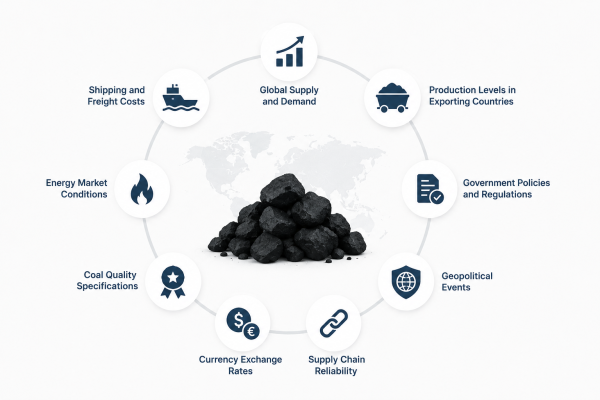
Global Supply and Demand
The most fundamental factor influencing thermal coal prices is the balance between global supply and demand.
When industrial activity increases, electricity consumption rises, or seasonal demand for heating grows, the need for thermal coal often increases accordingly. If supply cannot keep pace with demand, prices generally move upward.
Conversely, when production exceeds market demand or industrial activity slows, coal prices may decline due to increased competition among suppliers.
Major consuming regions such as China, India, Japan, South Korea, and Southeast Asia continue to play a significant role in shaping global demand.
Production Levels in Exporting Countries
Global coal prices are heavily influenced by production capacity in major exporting nations.
Countries such as Indonesia, Australia, Russia, South Africa, and Colombia supply substantial volumes of thermal coal to international markets. Any disruption affecting mining operations—including adverse weather, labor shortages, regulatory changes, or infrastructure constraints—can reduce available supply and contribute to price increases.
Stable production from these regions generally supports more balanced market conditions.
Shipping and Freight Costs
Transportation represents a significant portion of the delivered cost of thermal coal.
Ocean freight rates fluctuate based on vessel availability, fuel prices, seasonal cargo demand, and global shipping conditions. During periods of high freight costs, the overall price paid by importers may increase even if coal prices at the mine remain relatively stable.
Efficient logistics planning and reliable shipping solutions therefore play an important role in maintaining competitive supply costs.
Energy Market Conditions
Thermal coal prices are closely connected to broader energy markets.
Changes in natural gas prices, oil prices, electricity demand, and power generation policies often influence coal consumption patterns. When alternative energy sources become more expensive or less available, demand for thermal coal may strengthen, placing upward pressure on prices.
Likewise, shifts in energy policy or improvements in renewable energy capacity can affect long-term market expectations.
Government Policies and Regulations
Government decisions can significantly impact both coal production and international trade.
Export regulations, import tariffs, environmental policies, mining permits, taxation, and carbon-related legislation all have the potential to influence market supply and pricing.
Because regulatory frameworks differ from country to country, businesses involved in international coal trading must closely monitor policy developments across key producing and consuming markets.
Coal Quality Specifications
Not all thermal coal is the same.
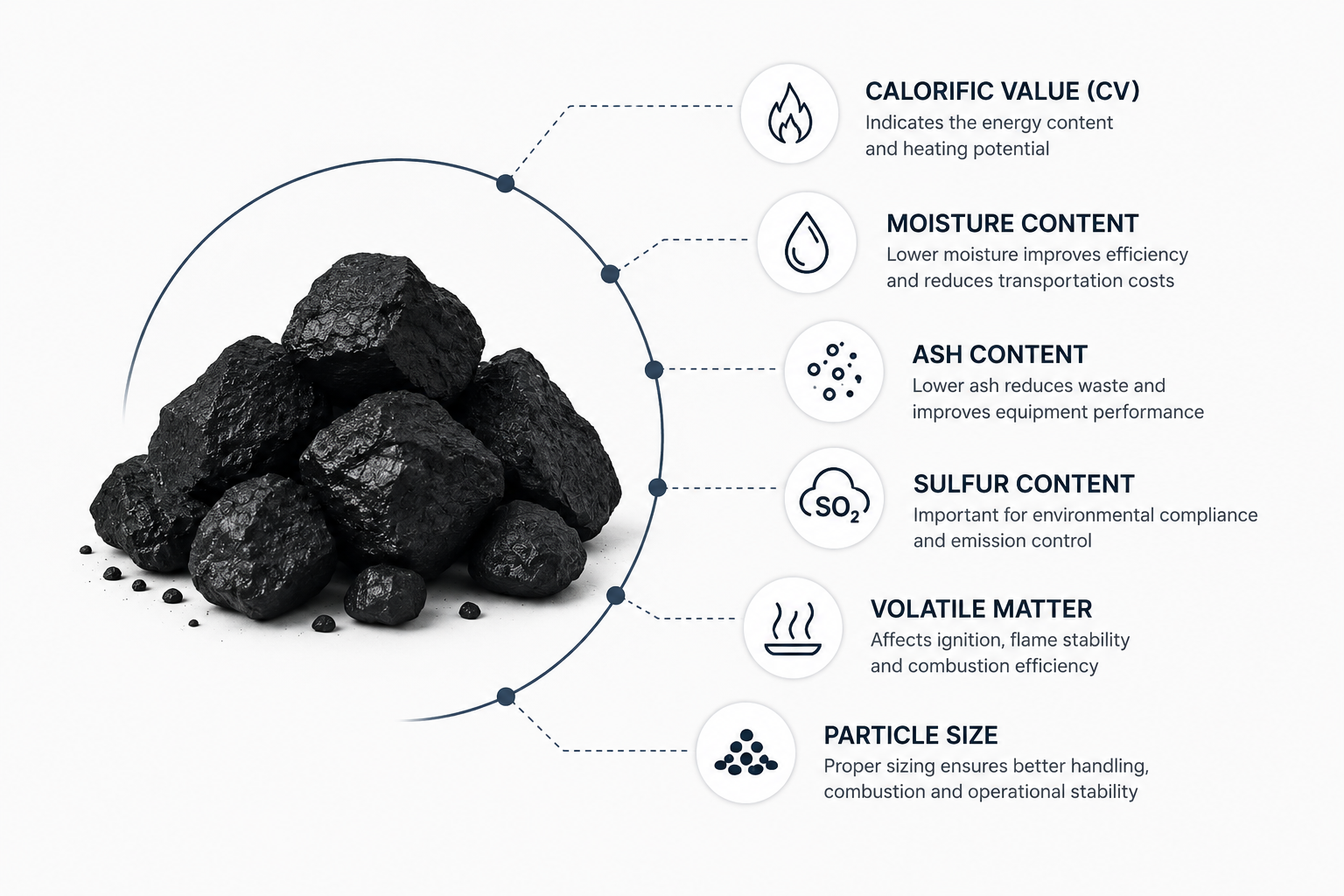
Market prices vary according to quality characteristics such as:
- Calorific Value (CV)
- Moisture Content
- Ash Content
- Sulfur Content
- Volatile Matter
- Particle Size
Higher-quality coal with greater energy efficiency typically commands a premium because it delivers improved combustion performance and lower fuel consumption.
Selecting the appropriate specification is essential for maximizing operational efficiency and controlling production costs.
Currency Exchange Rates
International coal transactions are commonly conducted in U.S. dollars.
As exchange rates fluctuate, import costs can change significantly for buyers using other currencies. Currency movements therefore influence purchasing decisions, contract negotiations, and overall market competitiveness.
Geopolitical Events
Global commodity markets are highly sensitive to geopolitical developments.
Trade restrictions, international sanctions, regional conflicts, port disruptions, and changes in diplomatic relations can all affect commodity flows and create supply uncertainty.
When supply chains become constrained, market participants often respond by seeking alternative sources, which may contribute to increased price volatility.
Supply Chain Reliability
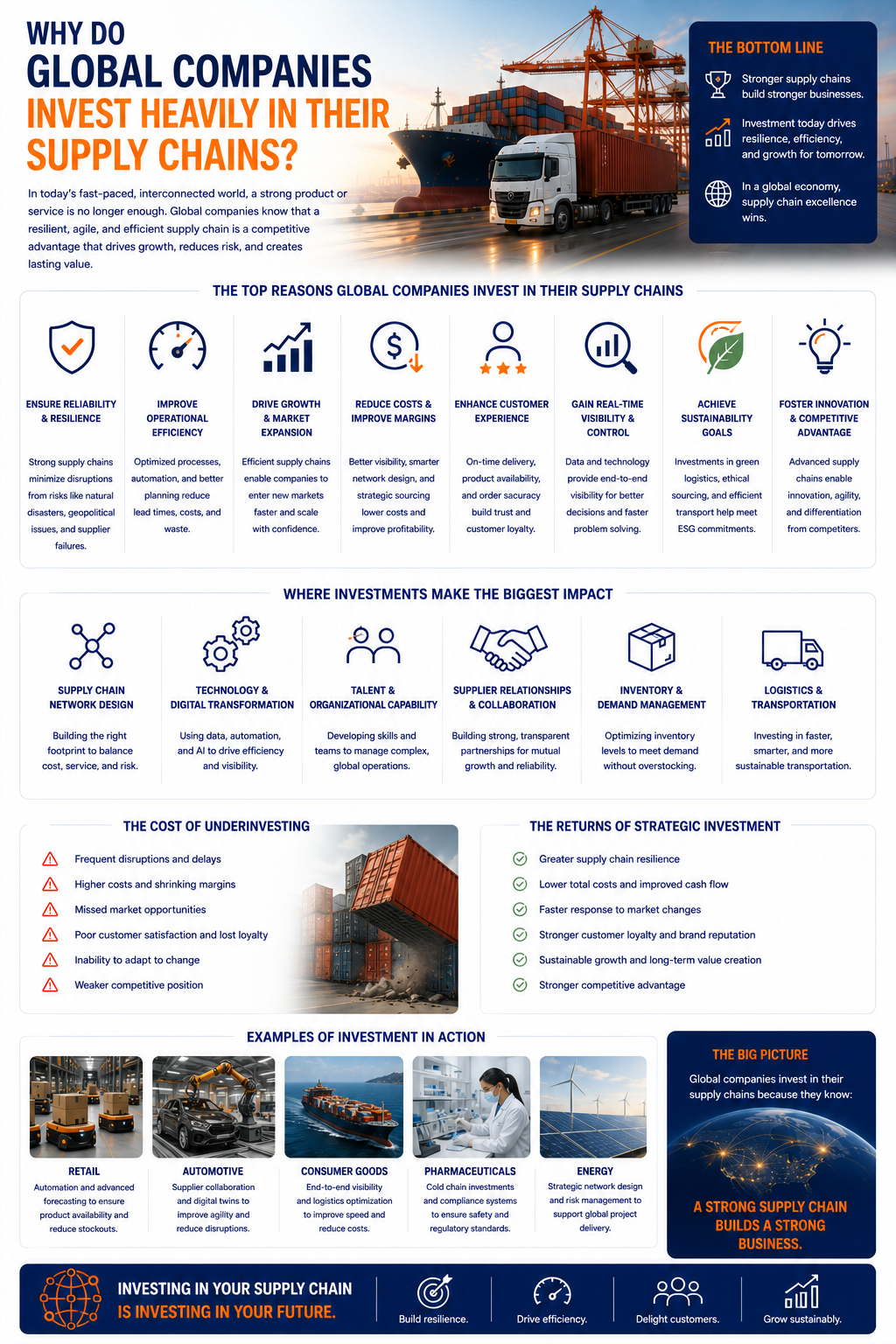
Beyond production itself, the efficiency of the supply chain has become increasingly important.
Port congestion, vessel delays, container shortages, weather disruptions, and infrastructure challenges can all impact delivery schedules and increase overall supply costs.
Businesses increasingly value suppliers capable of providing not only quality products but also reliable logistics coordination and consistent operational performance.
Looking Ahead
Global thermal coal prices will continue to fluctuate in response to changing market conditions, energy demand, and international trade dynamics. While short-term price movements are often difficult to predict, businesses that understand the underlying market drivers are better positioned to develop resilient procurement strategies and maintain stable operations.
At KT Energy Global, we recognize that reliable supply extends beyond the commodity itself. Through dependable logistics coordination, professional service, and a commitment to long-term partnerships, we strive to support customers with practical solutions in an evolving global energy market.