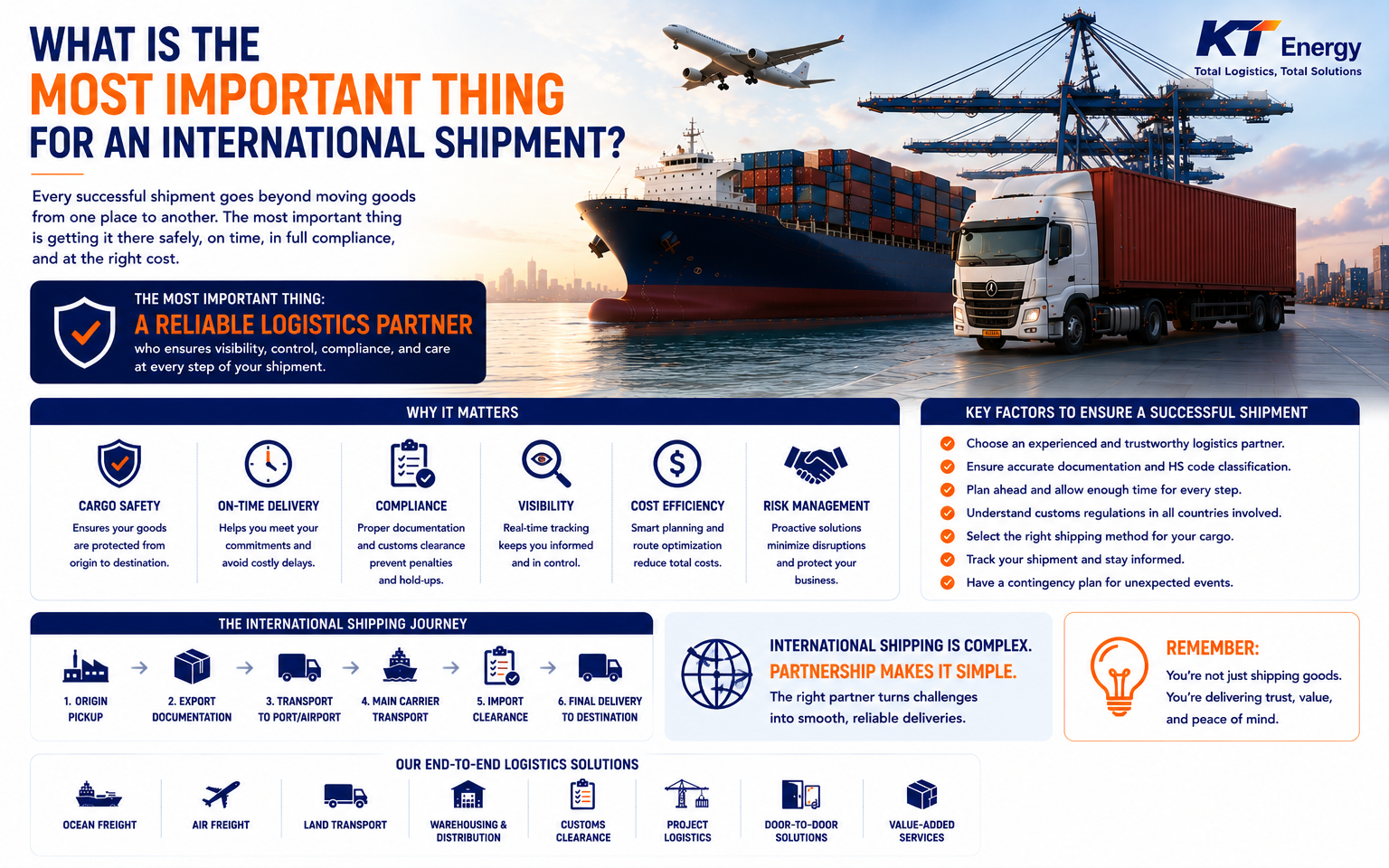
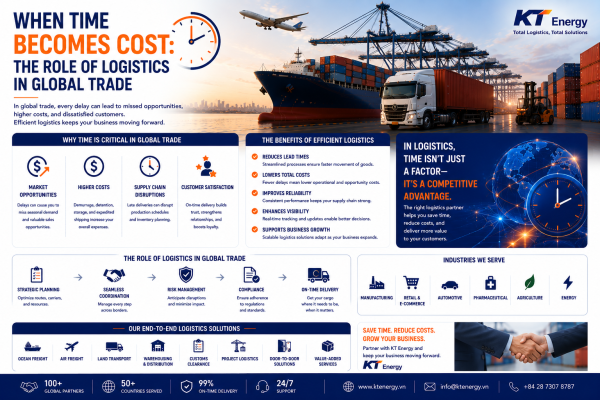
In today’s fast-moving global economy, time is no longer just a schedule factor — it has become a direct business cost. Delays in transportation, customs clearance, warehousing, or cargo coordination can impact production timelines, inventory levels, customer commitments, and overall operational efficiency.
As international trade continues to expand, logistics is playing an increasingly critical role in helping businesses maintain speed, stability, and competitiveness across global supply chains.
Modern logistics is not simply about moving cargo from one destination to another. It is about ensuring that every stage of the supply chain operates efficiently, transparently, and on time.
For import-export businesses, effective logistics solutions can help:
• Reduce transportation and operational delays
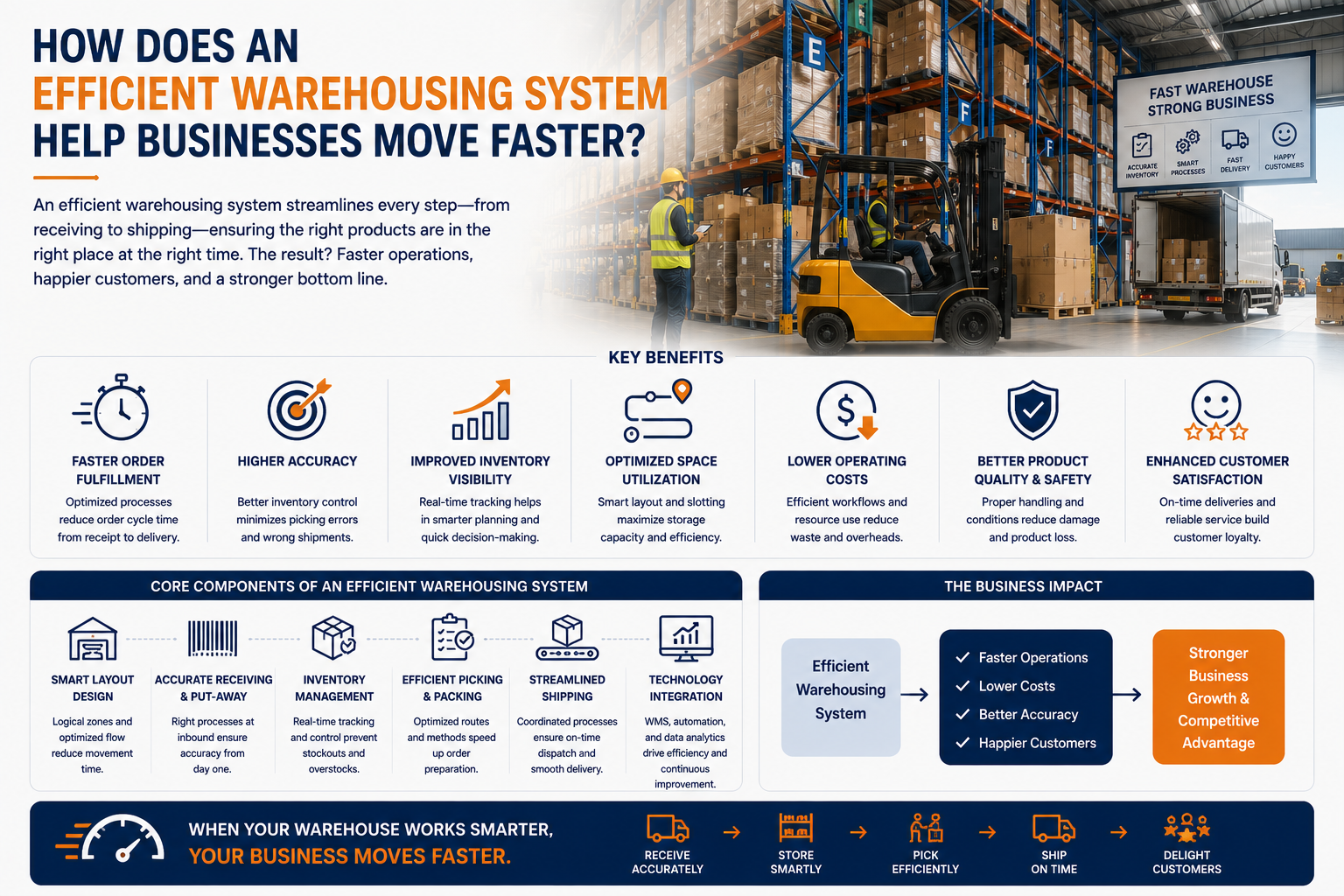
• Improve inventory and warehouse efficiency
• Optimize shipping routes and transit times
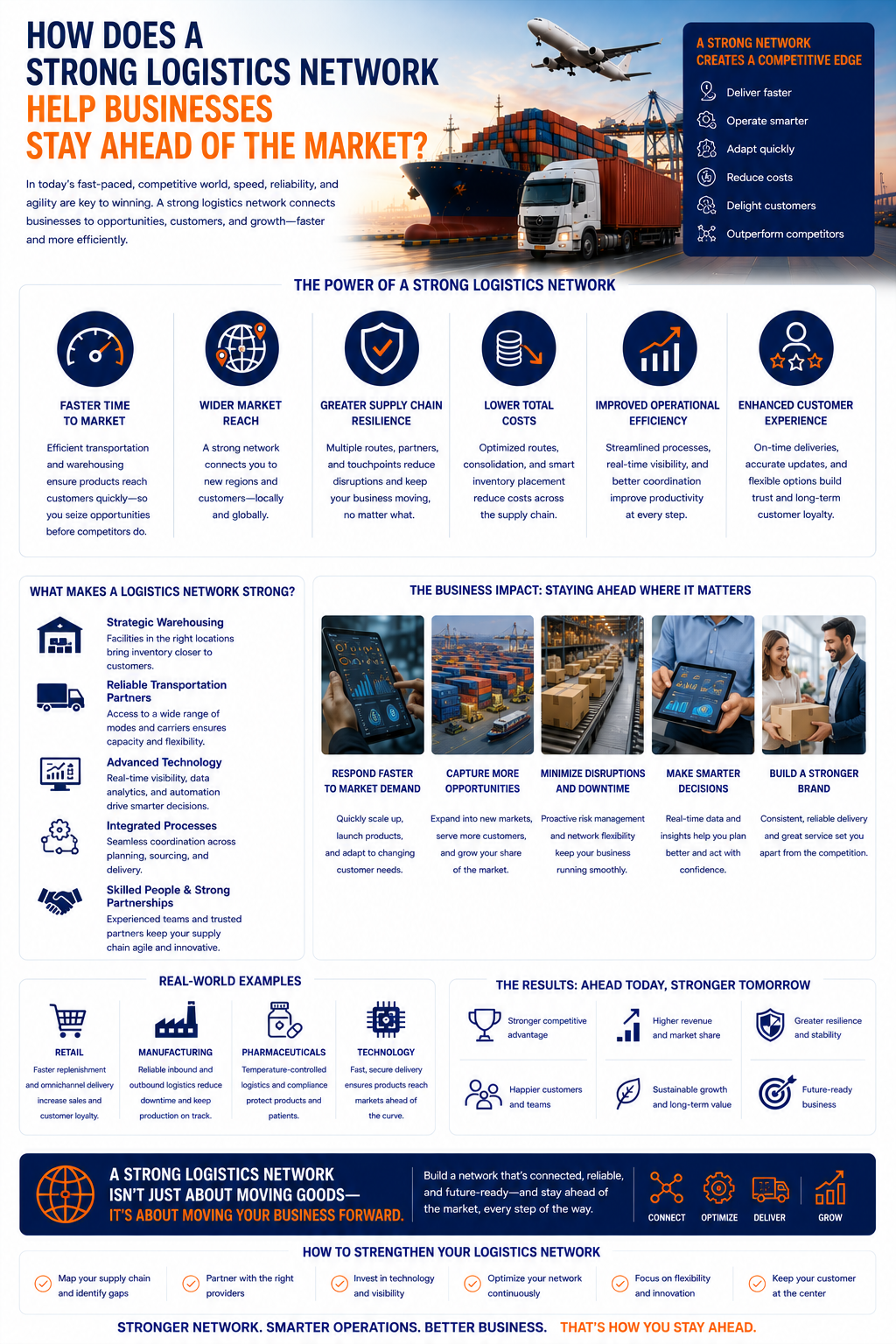
• Increase supply chain visibility and coordination
• Minimize unexpected disruptions and logistics risks
• Support faster response to market demand and customer needs
In industries such as industrial materials, energy, commodities, and bulk cargo, timing is especially important. Delayed shipments can affect production schedules, supply continuity, and overall business performance.
This is why businesses are increasingly investing in flexible logistics strategies, digital tracking systems, and reliable logistics partnerships that can support long-term operational stability.
In global trade, speed alone is not enough — coordination, transparency, and consistency are what truly create supply chain efficiency.
As markets continue to evolve, companies that can manage time effectively through smarter logistics operations will gain stronger competitive advantages in international business.
#KTEnergyGlobal #Logistics #GlobalTrade #SupplyChain #FreightForwarding #BulkCargo #MaritimeLogistics #IndustrialMaterials #FreightSolutions