When discussing logistics delays, many people immediately think of shipping lines, customs procedures, or port congestion. However, in reality, a significant number of shipment delays begin much earlier — during the inland transportation and cargo preparation stages.
For many businesses, the biggest logistics challenges often occur before the cargo even arrives at the port.
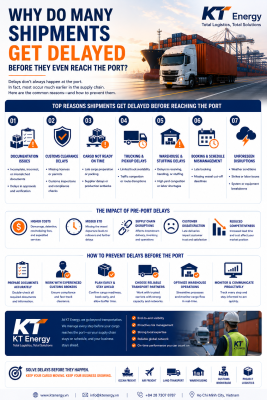
🚛 Poor Coordination Between Warehouse & Transportation
One of the most common causes of delays is the lack of synchronization between cargo readiness and inland transport scheduling.
Examples include:
• Cargo not ready when trucks arrive
• Delayed loading operations
• Changes in pickup schedules
• Miscommunication between suppliers and transport providers
Even small timing mismatches can create cascading delays throughout the supply chain.
📦 Incomplete Cargo Preparation
Before a shipment can move, goods must be properly prepared, packed, labeled, and documented.
Delays often occur due to:
• Packaging not completed on time
• Last-minute production issues
• Missing shipping marks or labels
• Cargo quantity discrepancies
Without proper preparation, transportation schedules can quickly be affected.
📄 Documentation Issues
Many inland delays are linked to paperwork problems rather than transportation itself.
Common examples include:
• Missing export documents
• Incorrect cargo information
• Delayed approvals
• Incomplete shipping instructions
When documentation is not ready, cargo movement may be postponed even before customs clearance begins.
🚦 Traffic & Infrastructure Challenges
Domestic transportation is also vulnerable to external factors such as:
• Traffic congestion
• Road restrictions
• Vehicle breakdowns
• Weather disruptions
These issues can impact cargo arrival times and increase the risk of missing vessel cut-off schedules.
⚓ Missing Port Cut-Off Times
When inland operations are delayed, shipments may fail to meet important deadlines such as:
• Container gate-in cut-off
• Documentation cut-off
• Vessel loading schedules
Missing these deadlines can result in cargo rollovers, additional costs, and longer transit times.
🤝 Logistics Is One Continuous Timeline
A common misconception is that warehouse preparation, inland transportation, customs, and ocean freight are separate activities.
In reality, they are all part of one connected operational timeline.
Successful exporters understand that:
• Warehouse readiness
• Trucking coordination
• Documentation preparation
• Port operations
must be synchronized from the very beginning.
🚀 Prevention Starts Before the Port
Businesses can reduce inland delays by:
✔ Planning shipments earlier
✔ Improving warehouse and transport coordination
✔ Preparing documents in advance
✔ Maintaining clear communication across all parties
✔ Working with experienced logistics partners
Because in international logistics, many shipment delays don’t start at customs or the port—they start long before the cargo even leaves the warehouse.
#KTEnergyGlobal #Logistics #SupplyChain #InlandTransport #GlobalTrade #FreightForwarding #ExportLogistics #MaritimeLogistics #InternationalShipping #SupplyChainManagement