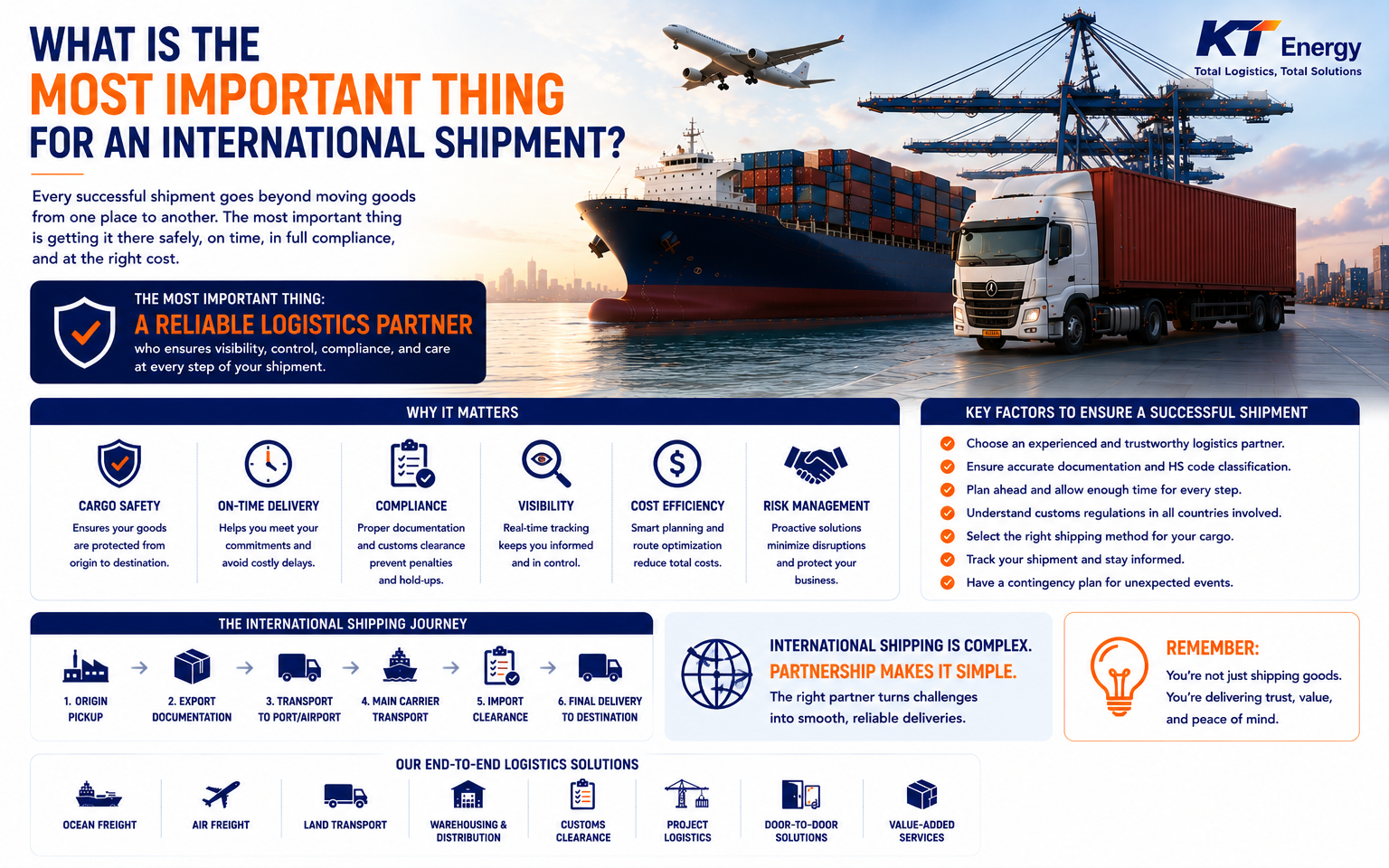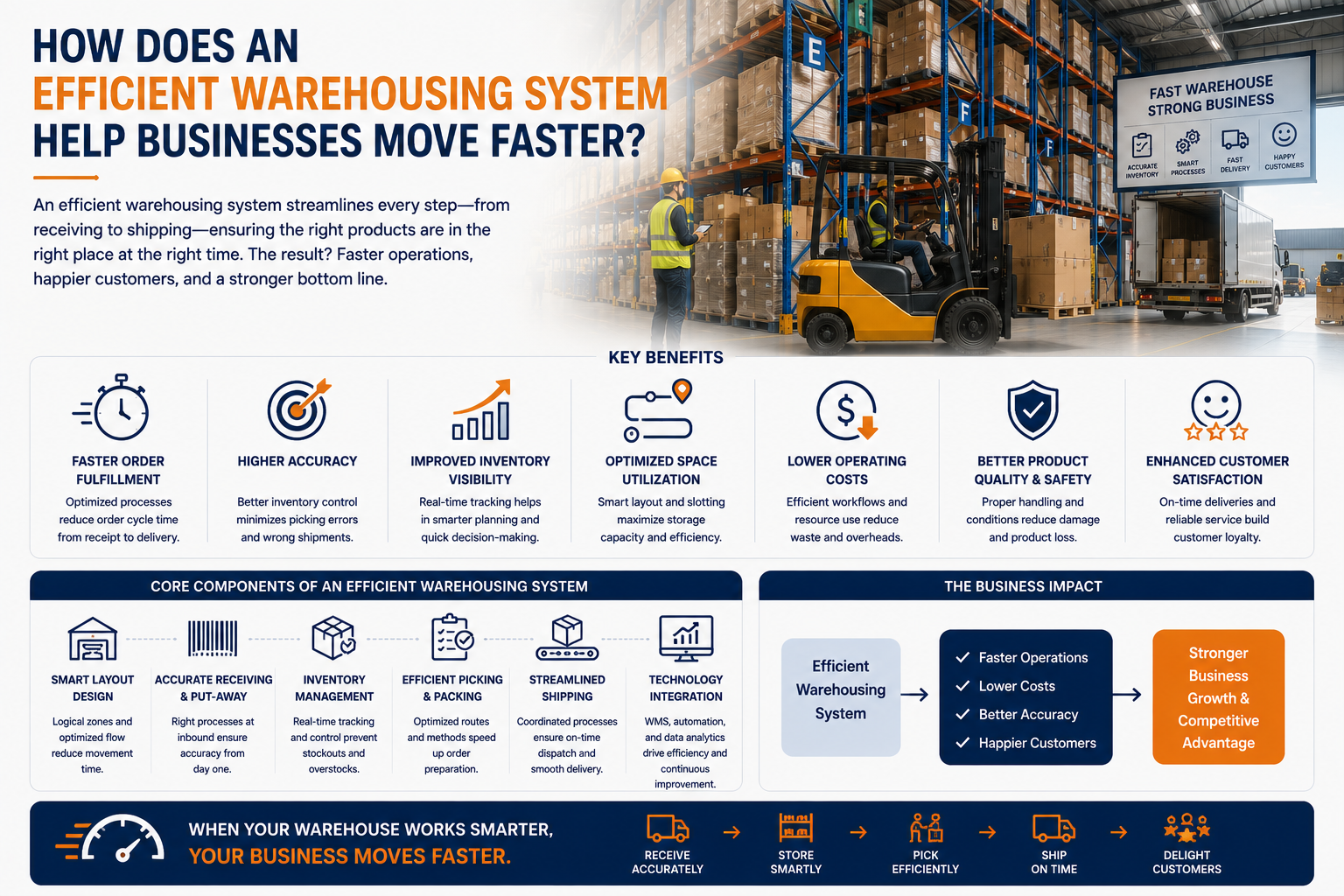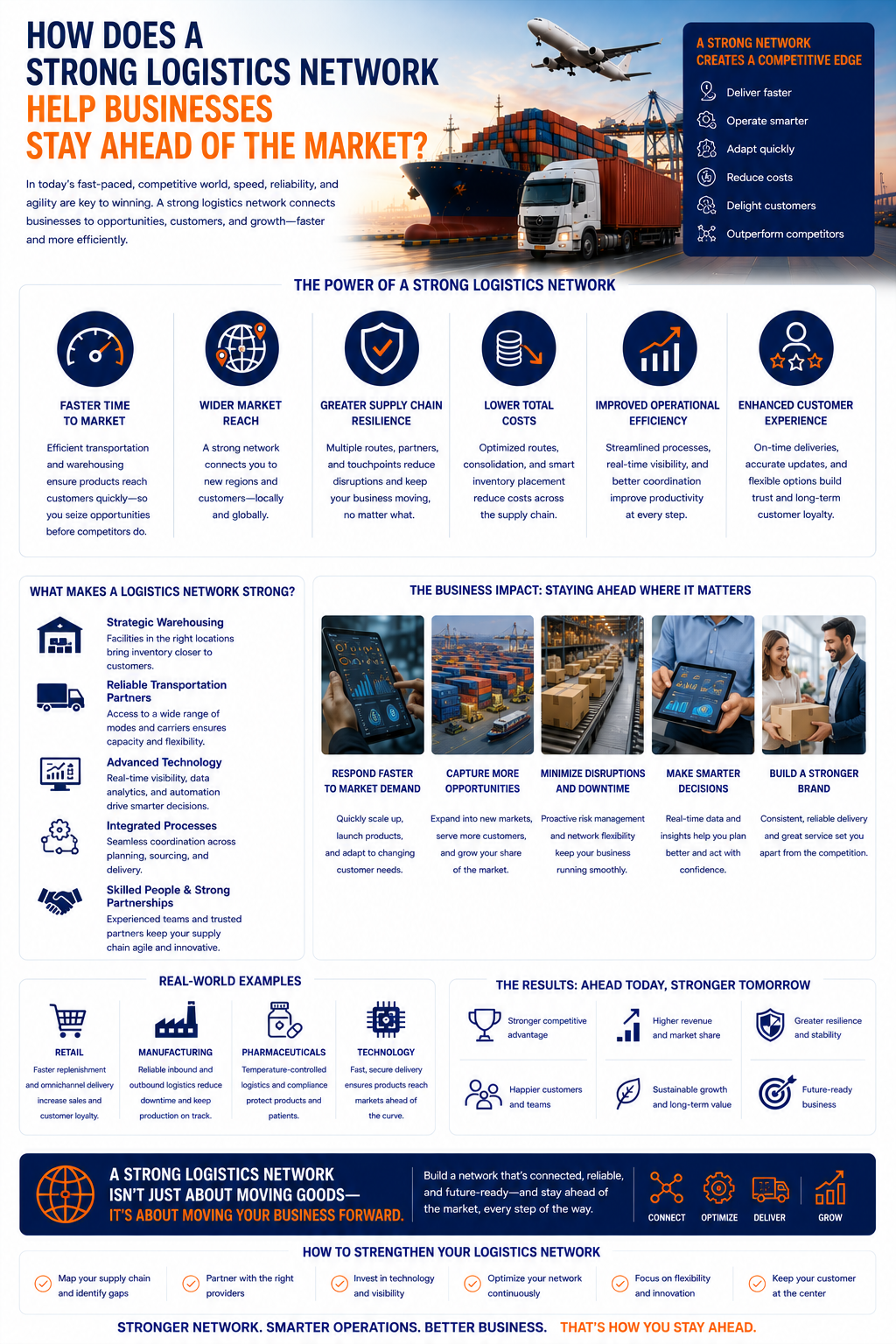
In today’s global market, businesses are facing constant challenges from fluctuating freight costs, market disruptions, port congestion, and changing customer demand. In this environment, maintaining a stable supply chain is no longer just an operational goal — it has become a critical competitive advantage.
A stable supply chain allows businesses to maintain smoother operations, improve responsiveness, and reduce the risks that can impact production, delivery schedules, and customer commitments.
For industries involved in manufacturing, industrial materials, energy, commodities, and international trade, supply chain stability plays a major role in long-term business performance.
A well-organized and reliable supply chain helps businesses:
• Ensure consistent product flow and inventory availability
• Reduce transportation delays and operational disruptions
• Improve delivery performance and customer satisfaction
• Optimize logistics and inventory costs
• Respond faster to market changes and demand fluctuations
• Strengthen operational planning and business continuity
Today, companies are increasingly investing in flexible logistics networks, digital visibility systems, and long-term logistics partnerships to improve supply chain resilience and operational efficiency.
In a competitive global economy, businesses that can maintain stable logistics operations and supply continuity are often better positioned to build customer trust, protect profitability, and expand into new markets.
As supply chains continue to evolve, stability, flexibility, and transparency are becoming just as important as cost optimization itself.
#KTEnergyGlobal #SupplyChain #Logistics #GlobalTrade #BusinessGrowth #IndustrialMaterials #BulkCargo #MaritimeLogistics #FreightSolutions