Many businesses use the terms carrier, transportation provider, and logistics partner interchangeably. However, in today’s supply chain environment, there is a significant difference between simply moving cargo and providing comprehensive logistics solutions.
Understanding this distinction can help businesses choose the right partner for long-term growth and operational success.
🚛 A Transportation Provider Focuses on Movement
A transportation provider’s primary responsibility is to move cargo from one location to another.
Typical responsibilities include:
• Cargo pickup and delivery
• Vessel, truck, rail, or air transportation
• Basic shipment execution
• Route and schedule management
Their role is largely transactional and focused on transportation itself.
The key question they answer is:
“How do we move the cargo?”
🌐 A Logistics Partner Focuses on the Entire Supply Chain
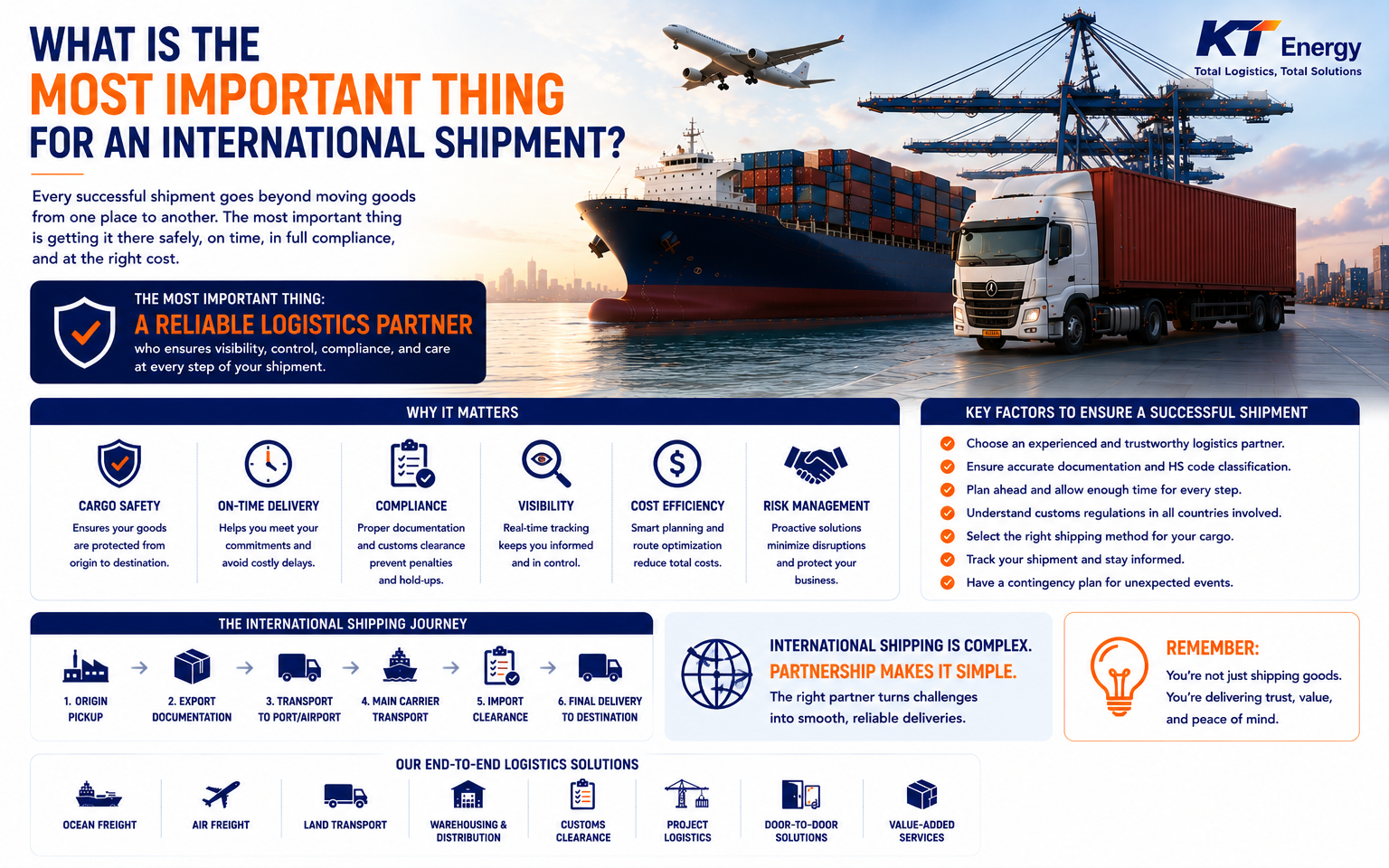
A logistics partner goes beyond transportation and helps businesses manage the broader logistics process.
Their responsibilities often include:
• Transportation planning
• Supply chain coordination
• Customs and documentation support
• Warehousing solutions
• Cargo visibility and tracking
• Risk management
• Route optimization
• Logistics consulting
The key question they answer is:
“How do we move the cargo most efficiently and reliably?”
📦 Beyond Freight Rates
A transportation provider may compete primarily on price.
A logistics partner focuses on:
✔ Operational efficiency
✔ Supply chain stability
✔ Service reliability
✔ Long-term value creation
✔ Customer experience
They understand that logistics performance affects inventory, production, cash flow, and customer satisfaction—not just freight costs.
⚡ Problem Solving During Disruptions
When challenges arise such as:
• Port congestion
• Vessel delays
• Capacity shortages
• Customs issues
• Documentation errors
A logistics partner actively works to identify alternatives and minimize business impact.
Their value becomes most visible when the unexpected happens.
🤝 A Strategic Relationship
Many successful companies do not simply look for service providers.
They look for partners who can:
• Understand their business objectives
• Support long-term growth
• Improve supply chain performance
• Reduce operational risks
• Provide strategic logistics guidance
This transforms logistics from a cost center into a competitive advantage.
🚀 The Difference Is Value
Transportation providers move cargo.
Logistics partners move businesses forward.
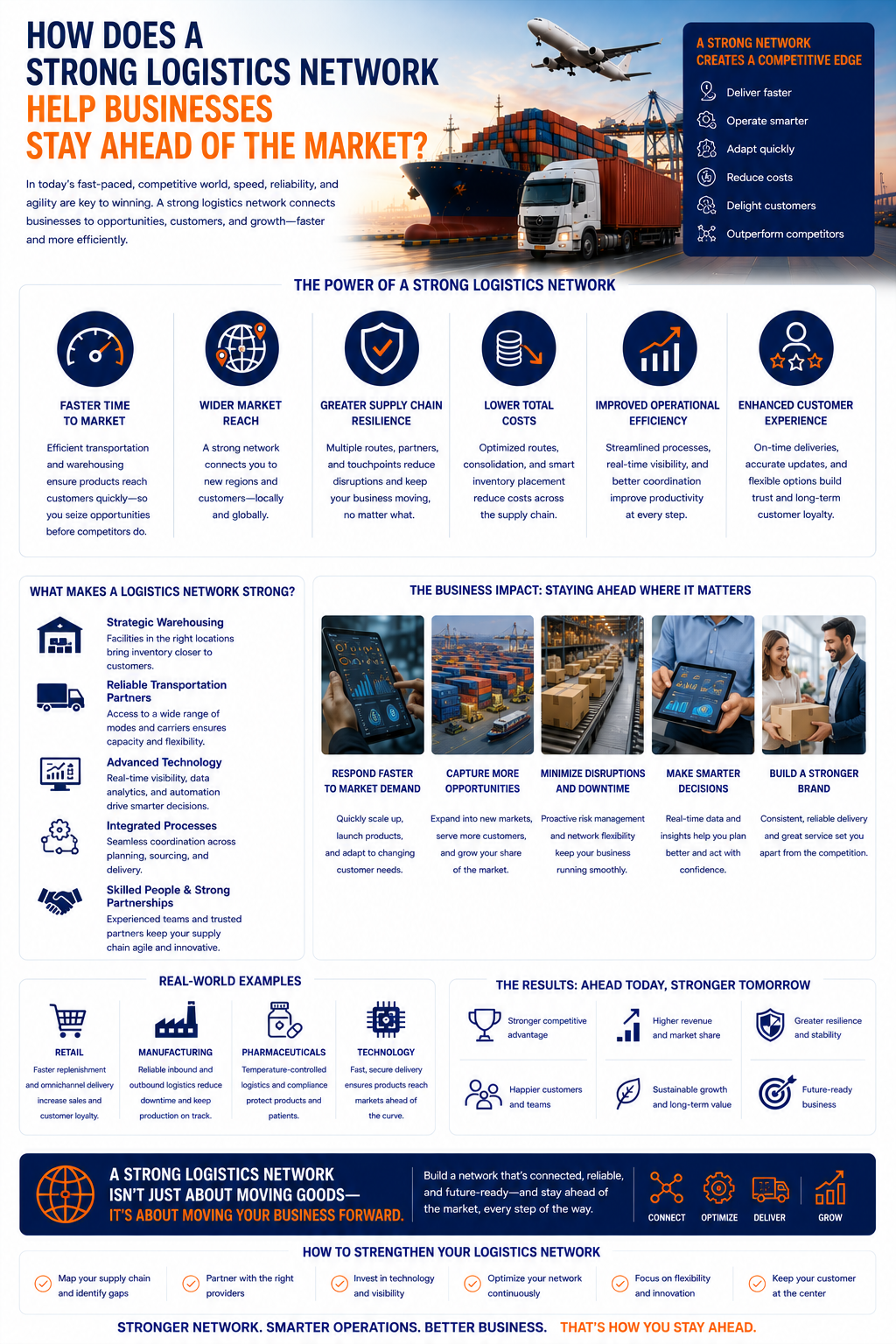
While both play important roles in international trade, companies increasingly recognize that long-term success depends not only on getting goods from Point A to Point B, but on building a supply chain that is efficient, resilient, and scalable.
Because in today’s global market, the real value of logistics is not just transportation—it’s the ability to help businesses operate better, grow faster, and compete more effectively.
#KTEnergyGlobal #Logistics #SupplyChain #LogisticsPartner #GlobalTrade #FreightForwarding #MaritimeLogistics #BusinessGrowth #InternationalLogistics #SupplyChainManagement