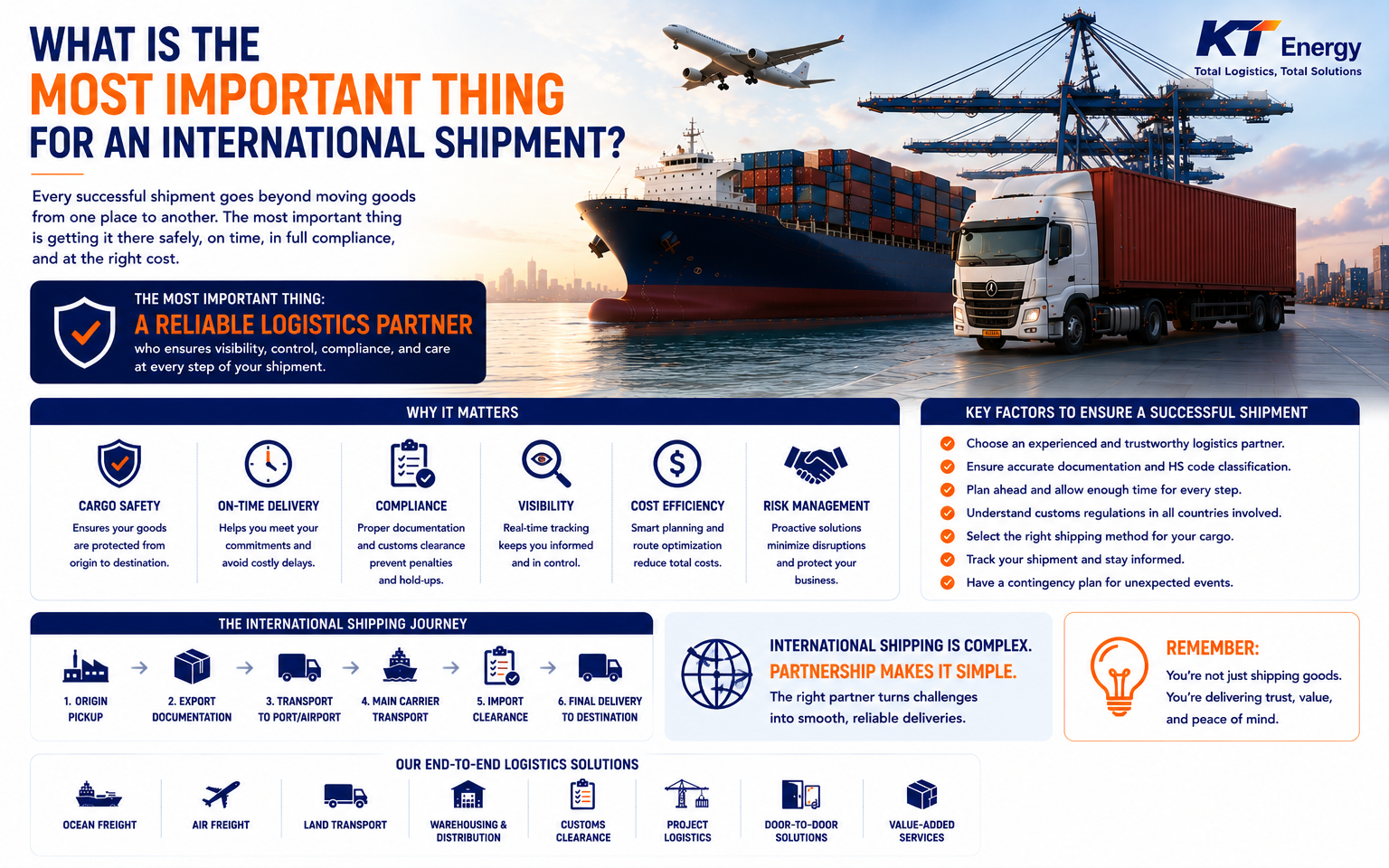
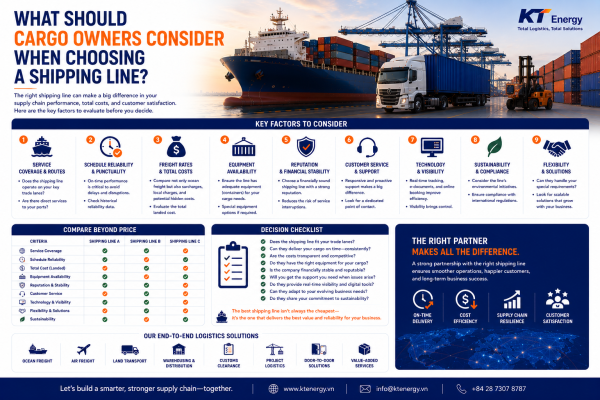
For many importers and exporters, selecting a shipping line is often associated with freight rates. However, experienced cargo owners understand that the right carrier can have a significant impact on delivery performance, supply chain stability, and overall logistics costs.
Choosing a shipping line should be based on more than price alone.
🚢 Schedule Reliability Matters
A low freight rate may lose its value if the vessel frequently arrives late.
Before selecting a carrier, businesses should evaluate:
• Schedule reliability
• Transit time consistency
• Vessel frequency
• Historical on-time performance
Reliable schedules help improve inventory planning and customer commitments.
🌐 Network Coverage & Route Strength
Not all shipping lines have the same network capabilities.
Cargo owners should consider:
• Direct service availability
• Global port coverage
• Transshipment requirements
• Regional route expertise
A stronger network often provides greater flexibility and fewer operational risks.
📦 Equipment Availability
During peak seasons, container availability can become a major challenge.
Questions to consider:
• Does the carrier have sufficient equipment?
• Can containers be secured during high-demand periods?
• How efficiently does the carrier reposition equipment?
Reliable equipment availability helps prevent unexpected shipment delays.
⚓ Service Quality During Disruptions
Delays, port congestion, and schedule changes are part of international shipping.
The key difference often lies in how the carrier responds.
A professional shipping line should provide:
• Clear communication
• Timely updates
• Alternative solutions when needed
• Responsive customer support
Good service becomes especially valuable when unexpected issues arise.
💰 Look Beyond Freight Rates
The cheapest carrier is not always the most cost-effective option.
Businesses should also evaluate:
• Transit reliability
• Risk of cargo rollover
• Delay-related costs
• Customer service quality
• Documentation support
A slightly higher freight rate may result in lower total logistics costs and fewer operational disruptions.
📊 Reputation & Market Experience
A carrier’s reputation often reflects its long-term performance.
Consider factors such as:
• Industry experience
• Financial stability
• Customer feedback
• Operational capabilities
Strong carriers typically offer greater consistency and reliability.
🚀 Choosing the Right Shipping Partner
For cargo owners, selecting a shipping line is not simply a transportation decision—it’s a supply chain decision.
The ideal carrier helps businesses:
✔ Maintain delivery commitments
✔ Improve supply chain stability
✔ Reduce logistics risks
✔ Optimize operational efficiency
✔ Support long-term business growth
Because in international shipping, the best carrier is not necessarily the cheapest one—it’s the one that helps your cargo arrive consistently, efficiently, and with minimal disruption.
#KTEnergyGlobal #ShippingLine #OceanFreight #Logistics #SupplyChain #GlobalTrade #MaritimeLogistics #FreightForwarding #InternationalShipping #SupplyChainManagement