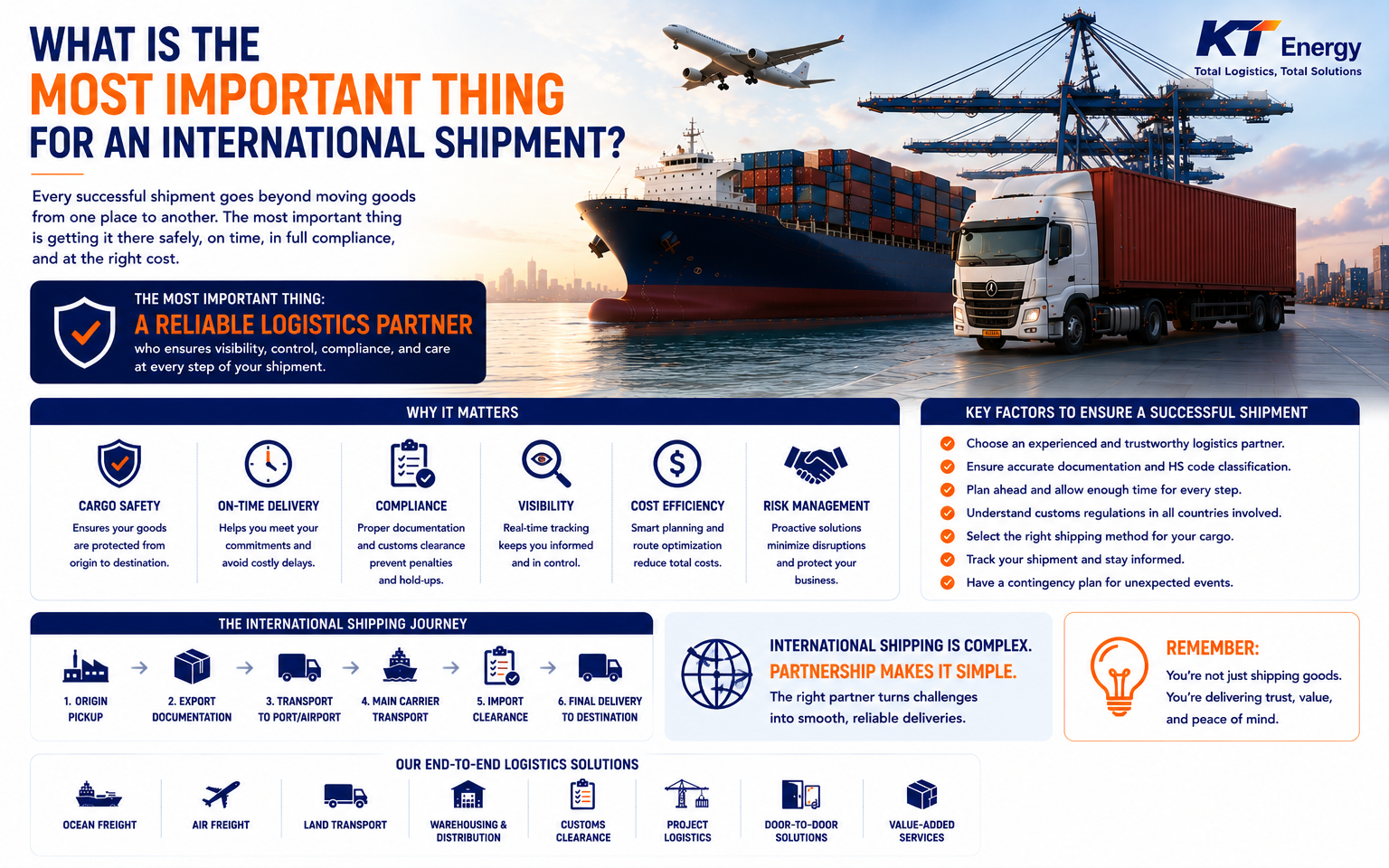
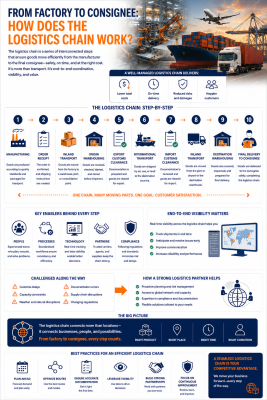
Every product delivered to an international customer goes through a complex logistics journey involving multiple parties, transportation modes, and operational processes. While the final delivery may seem simple, a successful shipment depends on seamless coordination across the entire supply chain.
From the factory floor to the consignee’s warehouse, every step plays a critical role in ensuring goods arrive safely, efficiently, and on time.
🏭 Step 1: Cargo Preparation at the Factory
The logistics journey begins at the manufacturing facility.
At this stage:
• Goods are produced and inspected
• Packaging and labeling are completed
• Export requirements are verified
• Shipping documents are prepared
Proper cargo preparation helps prevent delays and operational issues later in the process.
🚛 Step 2: Inland Transportation
Once the cargo is ready, it is transported from the factory to a warehouse, container yard, airport, or seaport.
This stage involves:
• Truck scheduling
• Route planning
• Cargo pickup coordination
• Transportation monitoring
Efficient inland transport is essential for meeting vessel or flight cut-off times.
📦 Step 3: Warehousing & Consolidation
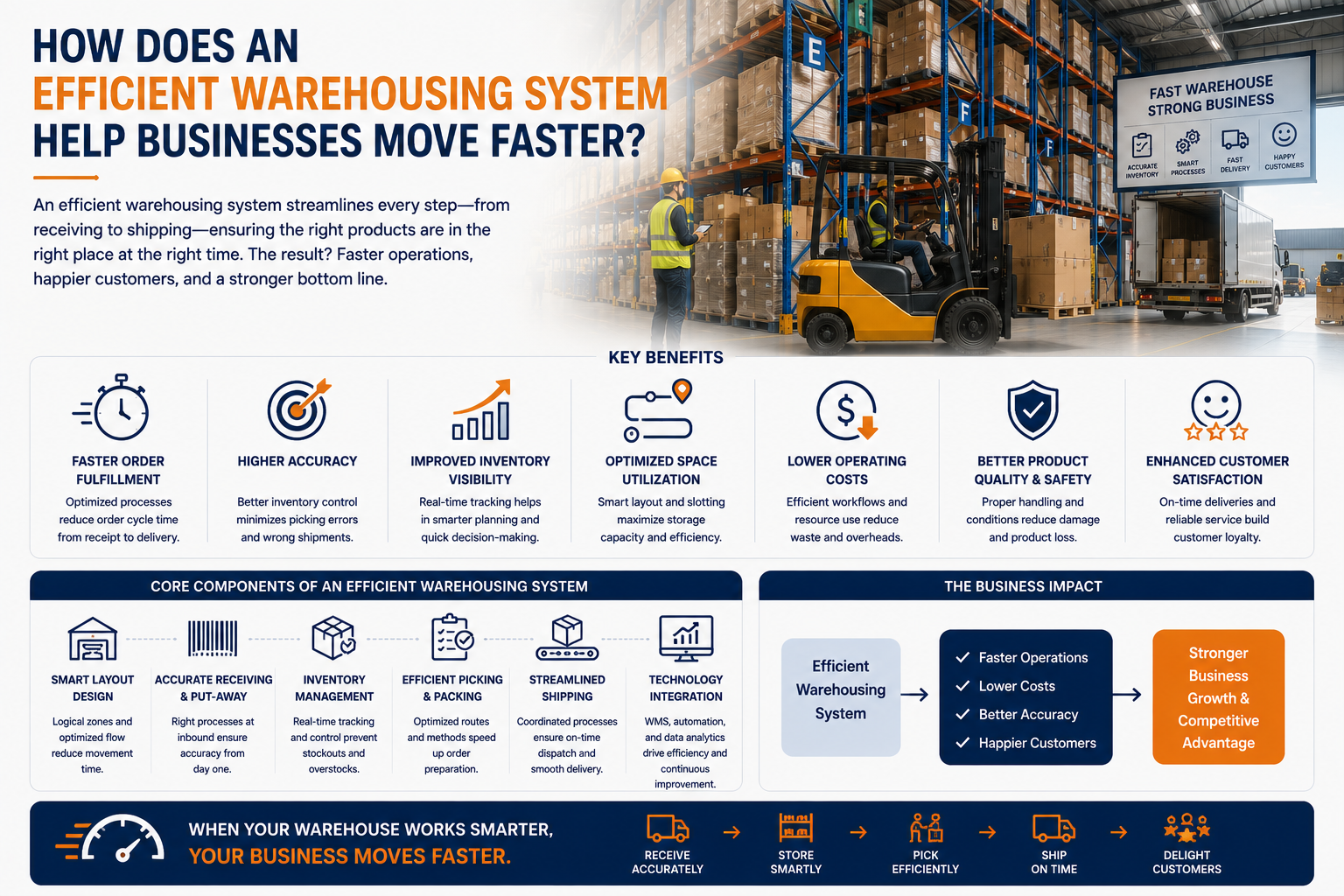
Depending on the shipment type, cargo may be temporarily stored or consolidated before export.
Warehousing operations may include:
• Inventory management
• Cargo inspection
• Label verification
• Shipment consolidation
This helps improve transportation efficiency and optimize logistics costs.
🛃 Step 4: Export Customs Clearance
Before cargo can leave the country, export procedures must be completed.
This process typically includes:
• Export declarations
• Commercial invoices
• Packing lists
• Certificates of Origin
• Regulatory compliance checks
Accurate documentation is critical to avoid customs delays.
🚢 Step 5: International Transportation
After customs clearance, the cargo begins its international journey.
Transportation may involve:
• Ocean freight
• Air freight
• Rail transportation
• Multimodal logistics solutions
Throughout transit, logistics teams monitor shipment status and coordinate with carriers to ensure smooth movement.
⚓ Step 6: Import Customs Clearance
Upon arrival at the destination country, the shipment undergoes import procedures.
This may include:
• Customs inspections
• Duty and tax assessments
• Documentation verification
• Cargo release approval
Once cleared, the cargo can continue toward its final destination.
🚚 Step 7: Final Delivery
The final stage is delivering the cargo to the consignee.
This may involve:
• Truck transportation
• Distribution center handling
• Warehouse delivery
• Last-mile logistics coordination
The shipment journey is completed once the goods are successfully received by the customer.
🌐 One Supply Chain, Many Moving Parts
A single shipment may involve:
✔ Factories and suppliers
✔ Warehouses and terminals
✔ Trucking companies
✔ Freight forwarders
✔ Shipping lines or airlines
✔ Customs authorities
✔ Final customers
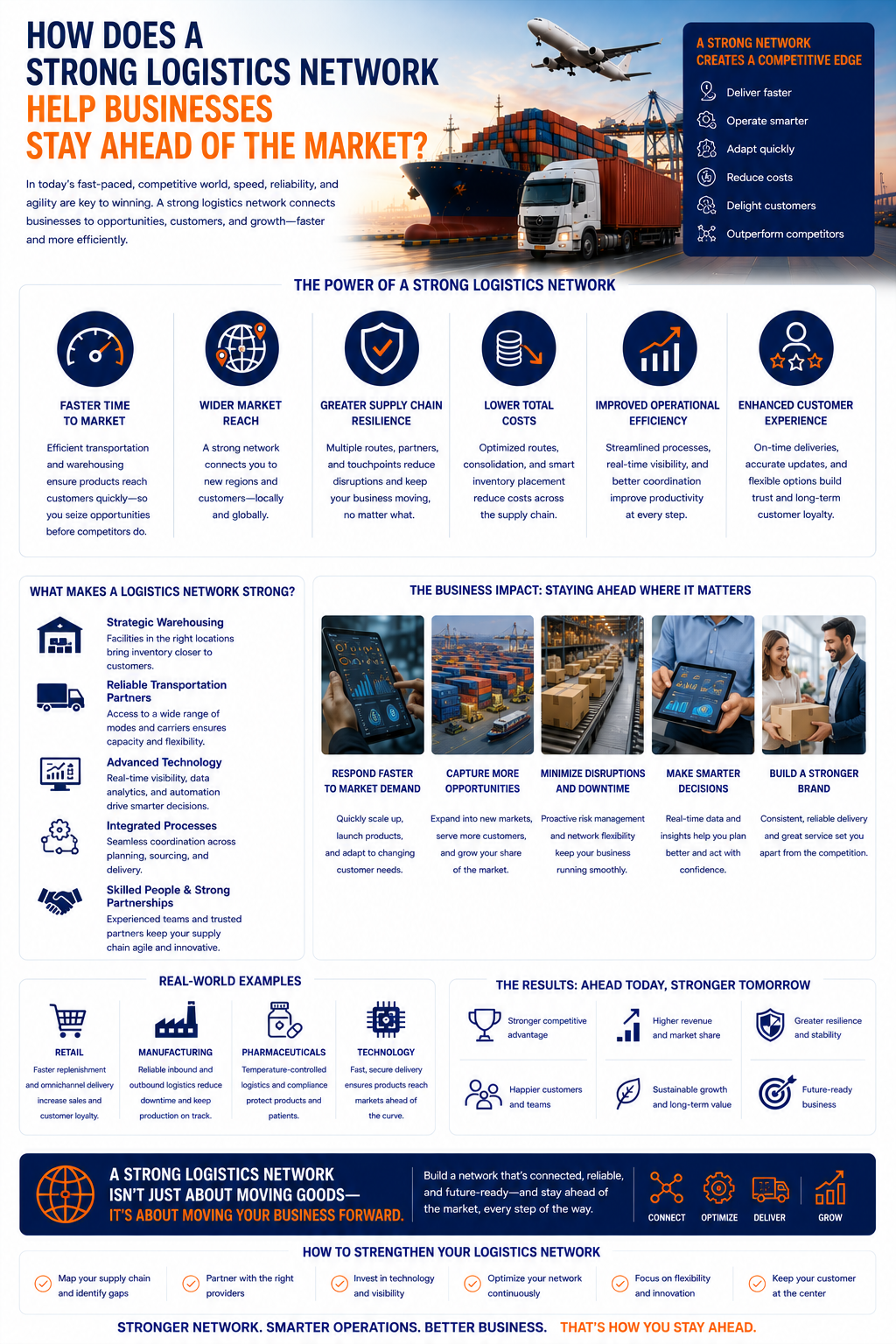
Success depends on every part of the chain working together efficiently.
🚀 Logistics Is the Link Between Production and Customers
Modern businesses rely on logistics to connect manufacturing with global markets.
A well-managed logistics chain helps companies:
• Improve delivery reliability
• Reduce operational costs
• Enhance customer satisfaction
• Maintain supply chain stability
Because from factory to consignee, logistics is what transforms products into delivered value.
#KTEnergyGlobal #Logistics #SupplyChain #GlobalTrade #FreightForwarding #InternationalShipping #MaritimeLogistics #ImportExport #WarehouseLogistics #SupplyChainManagement