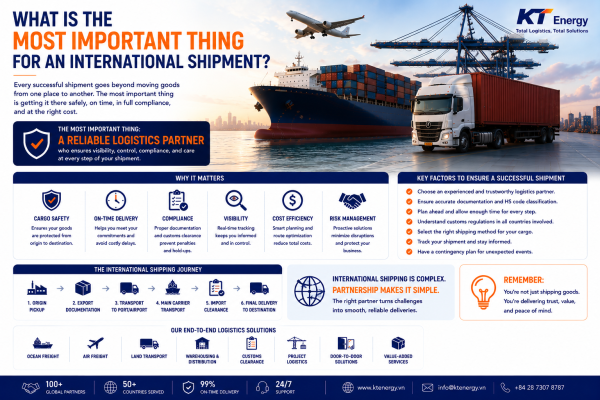
The global logistics industry is undergoing rapid change. What once focused primarily on transportation and cost efficiency is now being reshaped by technology, shifting trade patterns, customer expectations, and supply chain resilience.
As businesses navigate an increasingly complex world, logistics is evolving from a support function into a strategic business capability.
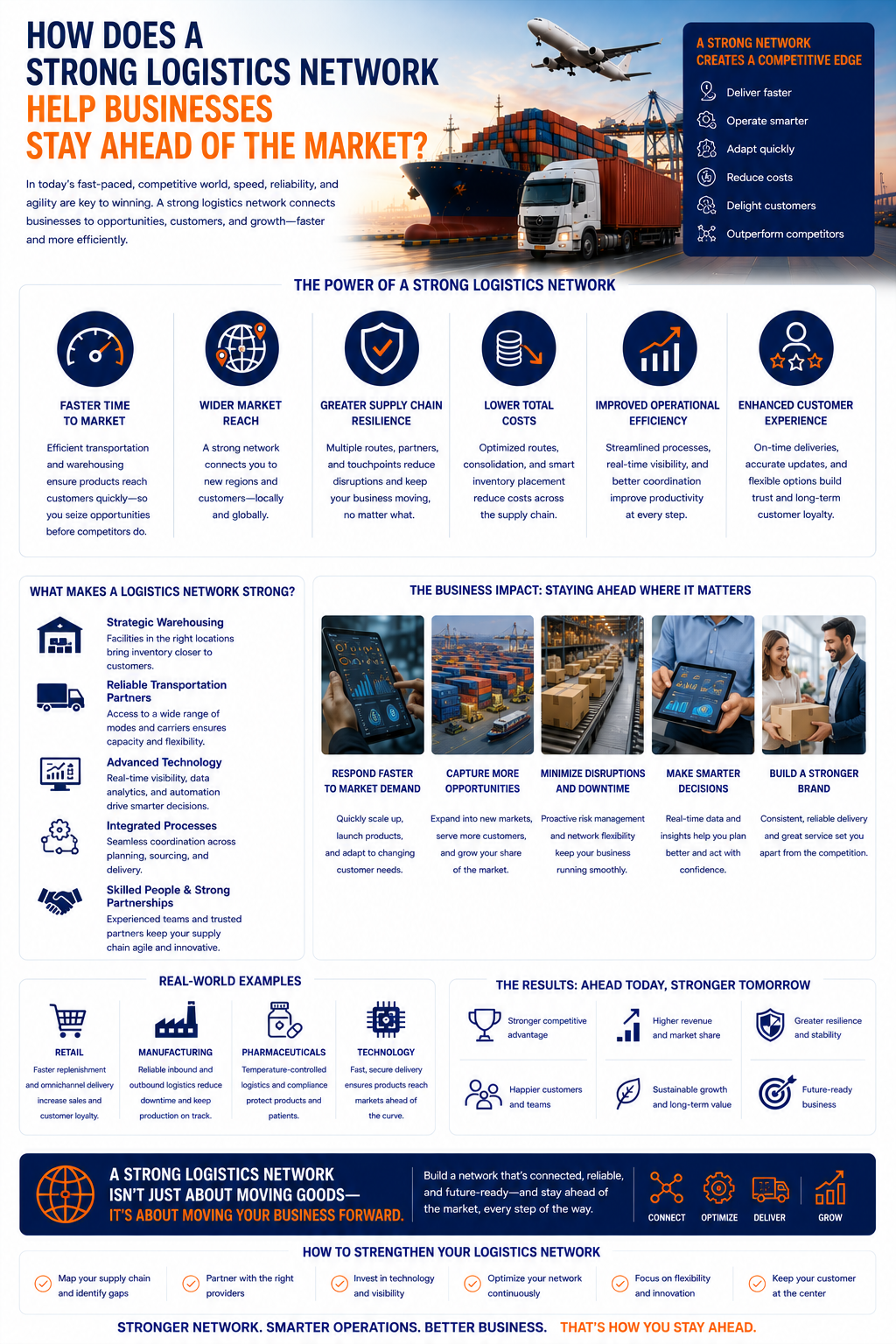
🌐 Supply Chain Resilience Has Become a Priority
Recent disruptions have highlighted the importance of building stronger and more flexible supply chains.
Businesses are increasingly investing in:
• Diversified sourcing strategies
• Alternative transportation routes
• Multiple logistics partners
• Risk management planning
The focus is shifting from maximum efficiency to sustainable resilience.
💻 Technology Is Accelerating Change
Digital transformation continues to reshape logistics operations worldwide.
Key developments include:
• Real-time shipment tracking
• AI-powered planning and forecasting
• Digital documentation systems
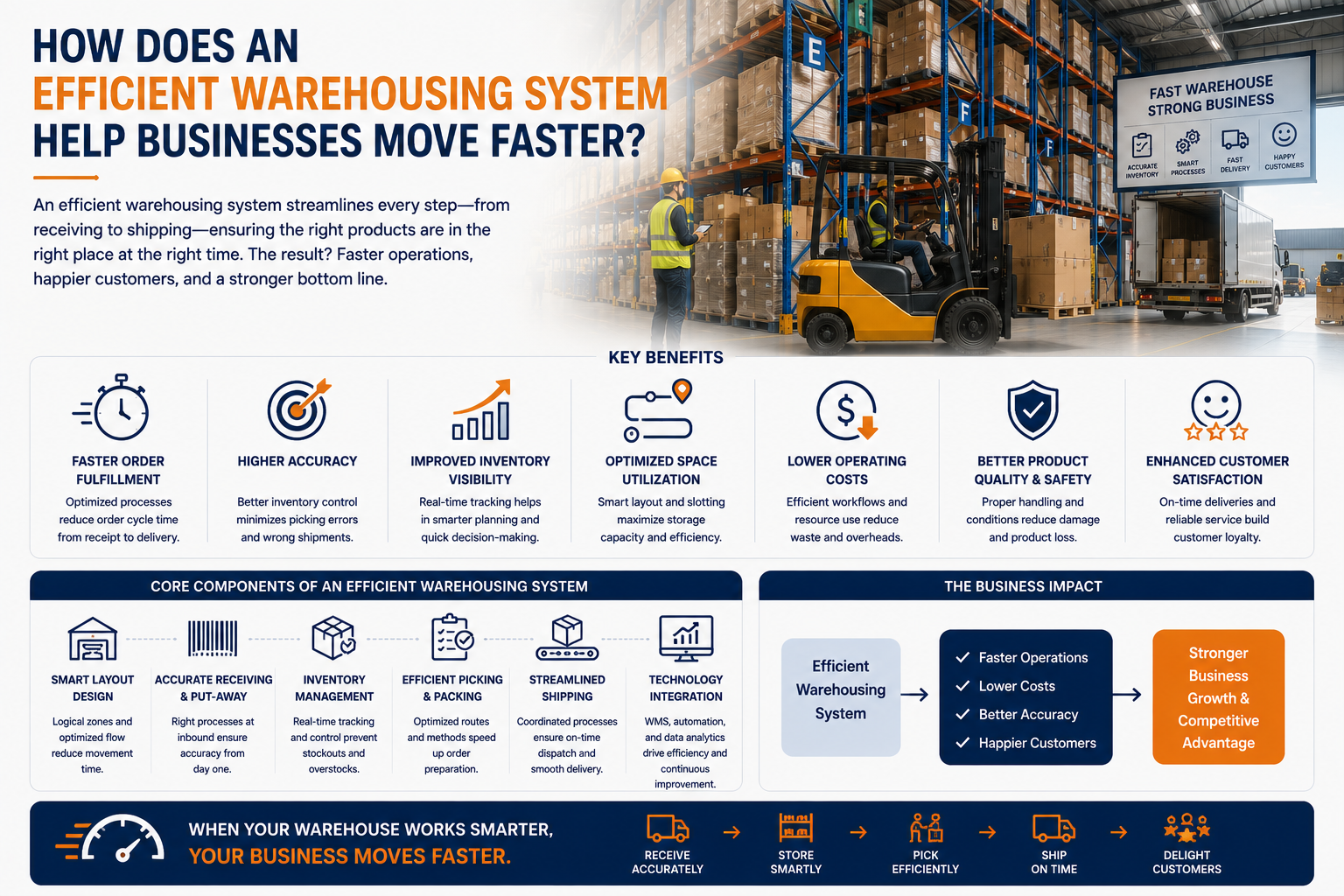
• Warehouse automation
• Data-driven decision making
Technology is helping businesses gain greater visibility, efficiency, and control across their supply chains.
🚢 Trade Routes Are Evolving
Global manufacturing and sourcing patterns are changing.
Companies are increasingly exploring:
• Supply chain diversification
• Regional production hubs
• Nearshoring and friendshoring strategies
• New emerging export markets
These shifts are creating new trade lanes and changing freight flows around the world.
📈 Customer Expectations Continue to Rise
Modern customers expect more than cargo delivery.
Businesses are now expected to provide:
✔ Faster service
✔ Greater transparency
✔ Accurate shipment updates
✔ Consistent delivery performance
✔ Responsive communication
As a result, customer experience is becoming a key driver of logistics innovation.
🌱 Sustainability Is Reshaping Logistics Strategies
Environmental responsibility is becoming a major factor in supply chain decisions.
Companies are focusing on:
• Carbon footprint reduction
• Green transportation initiatives
• Fuel-efficient operations
• Sustainable logistics practices
Sustainability is no longer viewed as optional—it is increasingly becoming a business requirement.
⚓ Infrastructure & Connectivity Are Improving
Many countries continue to invest in:
• Port modernization
• Smart logistics hubs
• Transportation infrastructure
• Digital trade platforms
These improvements help increase efficiency and strengthen global trade connectivity.
🤝 Collaboration Matters More Than Ever
Modern logistics involves coordination between numerous stakeholders, including:
• Suppliers
• Manufacturers
• Carriers
• Warehouses
• Freight forwarders
• Customs authorities
Success increasingly depends on seamless communication and collaboration across the entire supply chain ecosystem.
🚀 The Future of Logistics Is About Agility
The companies that succeed in the evolving logistics landscape are often those that can adapt quickly to change.
They focus on:
• Visibility over uncertainty
• Resilience over short-term optimization
• Partnership over transactions
• Long-term value over short-term savings
Because global logistics is no longer changing because of a single factor—it’s being transformed by technology, shifting trade dynamics, sustainability goals, and the growing need for supply chain resilience.
#KTEnergyGlobal #Logistics #GlobalTrade #SupplyChain #DigitalLogistics #SupplyChainResilience #FreightForwarding #MaritimeLogistics #InternationalShipping #LogisticsInnovation