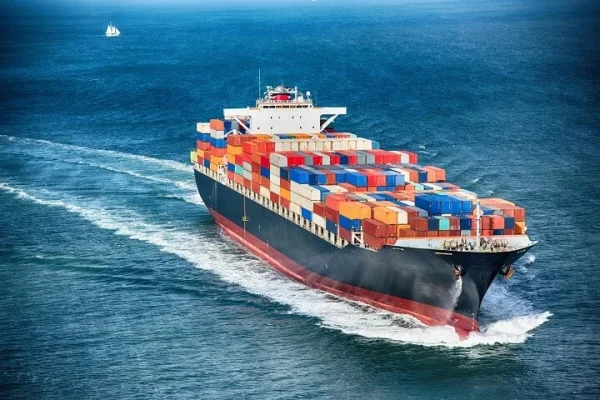
Ocean freight has been the backbone of international trade for centuries, connecting countries, industries, and consumers across the world. Even as technology transforms logistics and global commerce evolves, maritime transportation remains one of the most essential pillars of the global economy.
Today, the vast majority of international trade by volume moves by sea, making ocean freight a critical driver of economic growth and global connectivity.
🚢 The Foundation of Global Trade
Every day, thousands of vessels transport goods across international waters, carrying products that support industries, businesses, and consumers worldwide.
Ocean freight is responsible for moving:
• Raw materials
• Industrial equipment
• Consumer goods
• Agricultural products
• Energy resources
• Manufacturing components
Without maritime transportation, global trade would operate at a much smaller scale.
📦 Cost-Effective Transportation at Scale
One of the greatest advantages of ocean freight is its ability to move large volumes of cargo efficiently.
Businesses benefit from:
✔ High cargo capacity
✔ Lower transportation costs per unit
✔ Global route connectivity
✔ Flexible container solutions
For bulk commodities and large-volume shipments, sea freight often remains the most economical transportation option.
🌐 Connecting Global Supply Chains
Modern supply chains depend on maritime logistics to connect:
• Suppliers and manufacturers
• Production hubs and distribution centers
• Exporters and importers
• Businesses and consumers
Ocean freight enables products to move seamlessly between continents, supporting international commerce and economic development.
⚓ Supporting Economic Growth
Ports, shipping lines, logistics providers, and maritime infrastructure contribute significantly to economic activity worldwide.
The shipping industry helps:
• Facilitate international trade
• Create employment opportunities
• Support industrial development
• Enable market expansion
Many national economies rely heavily on efficient maritime transportation networks to maintain competitiveness.
📈 Adapting to Modern Challenges
The ocean freight industry continues to evolve in response to changing market conditions.
Key developments include:
• Digitalization of shipping operations
• Real-time cargo visibility
• Port automation
• Sustainable shipping initiatives
• Supply chain resilience strategies
These advancements are helping improve efficiency and reliability across global trade networks.
🌱 Sustainability and the Future of Shipping
As environmental concerns grow, the maritime industry is investing in:
• Alternative fuels
• Emission reduction technologies
• Energy-efficient vessels
• Green shipping practices
Sustainability is becoming an increasingly important part of the future of ocean transportation.
🚀 More Than Transportation
Ocean freight does more than move cargo—it connects economies, supports industries, and enables global commerce.
From raw materials used in manufacturing to products delivered to consumers around the world, maritime logistics plays a vital role in keeping international trade flowing.
Because in the global economy, ocean freight is not simply a transportation method—it is one of the foundations upon which modern trade is built.
#KTEnergyGlobal #OceanFreight #MaritimeLogistics #GlobalTrade #SupplyChain #InternationalShipping #FreightForwarding #Logistics #WorldEconomy #SupplyChainManagement