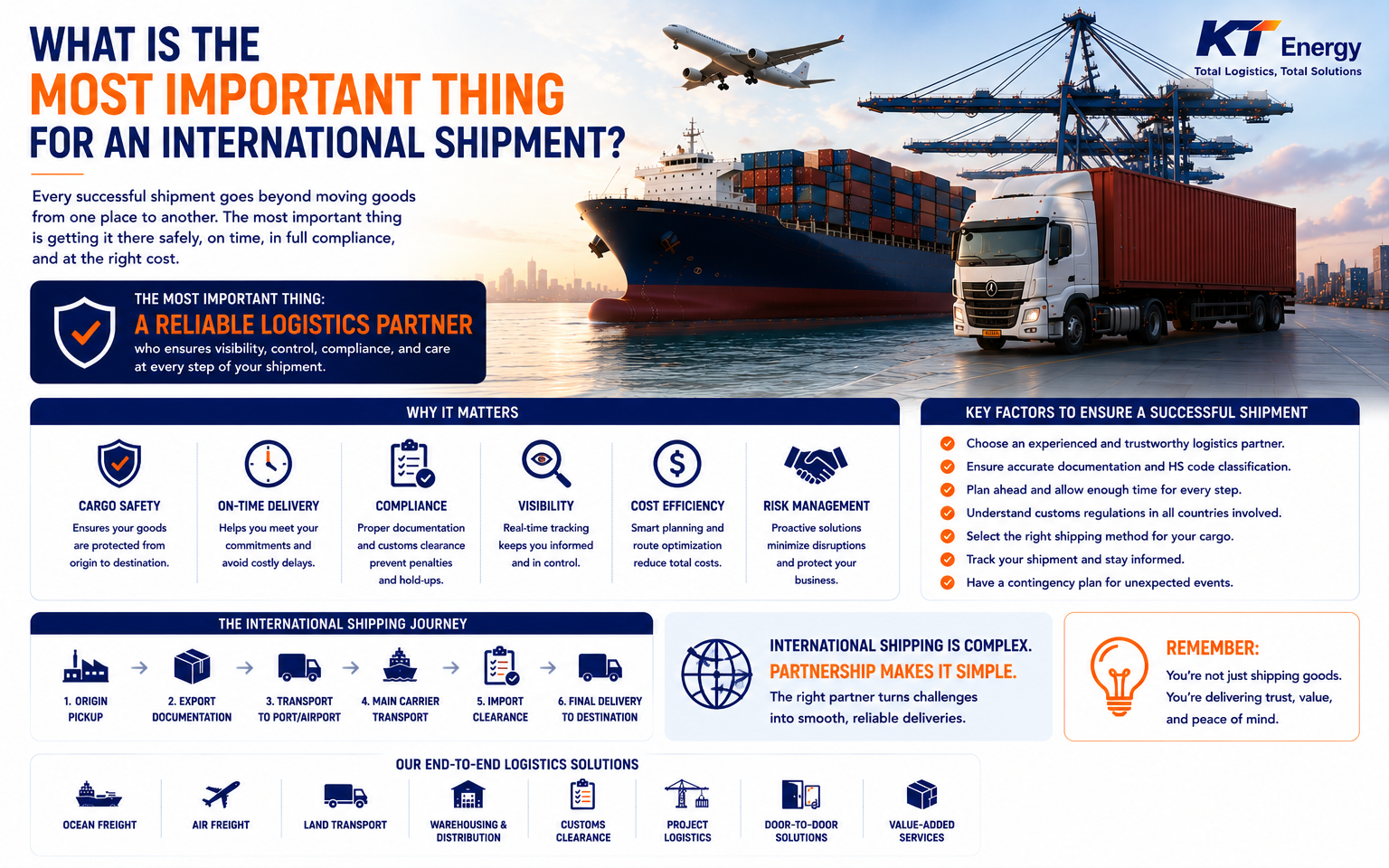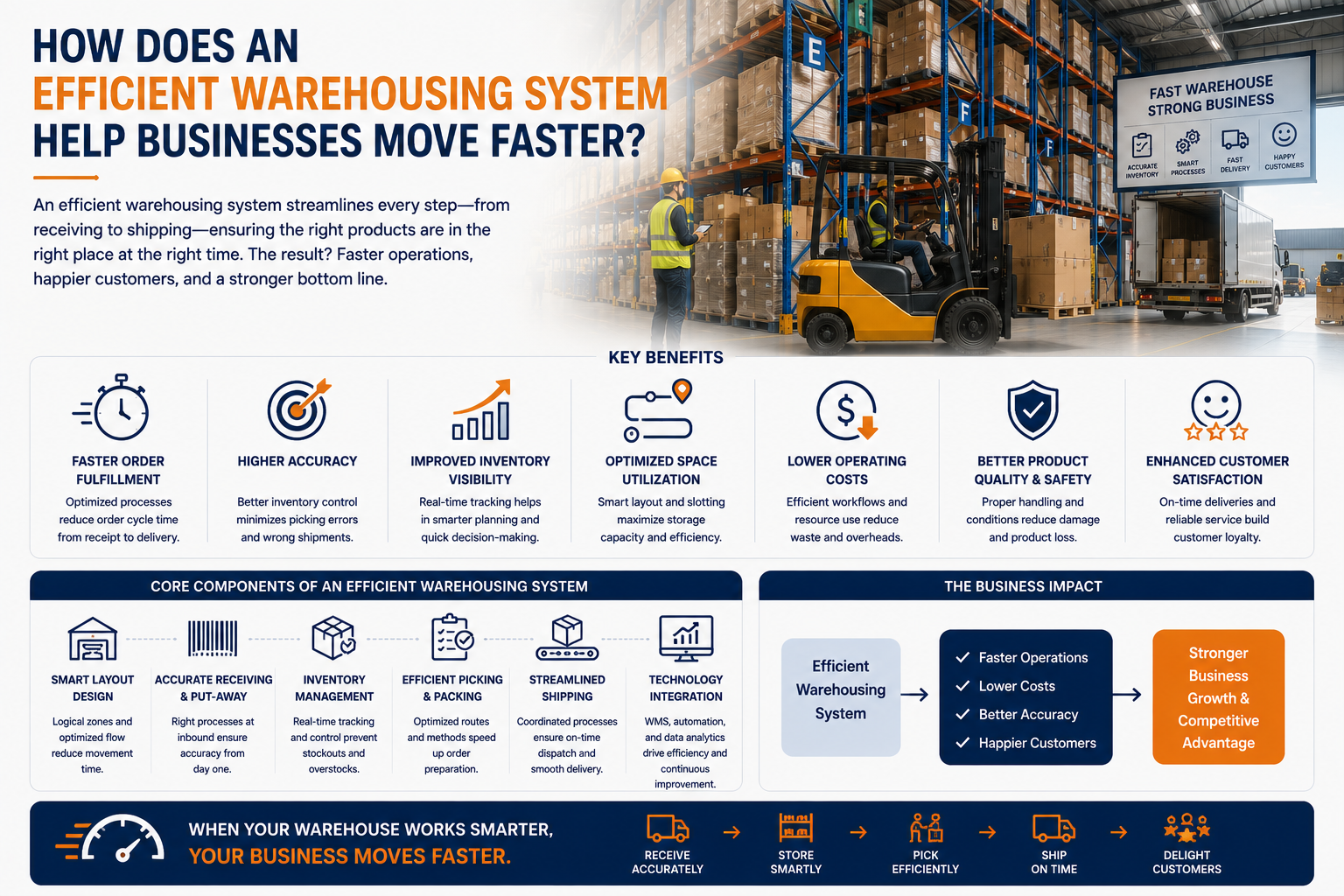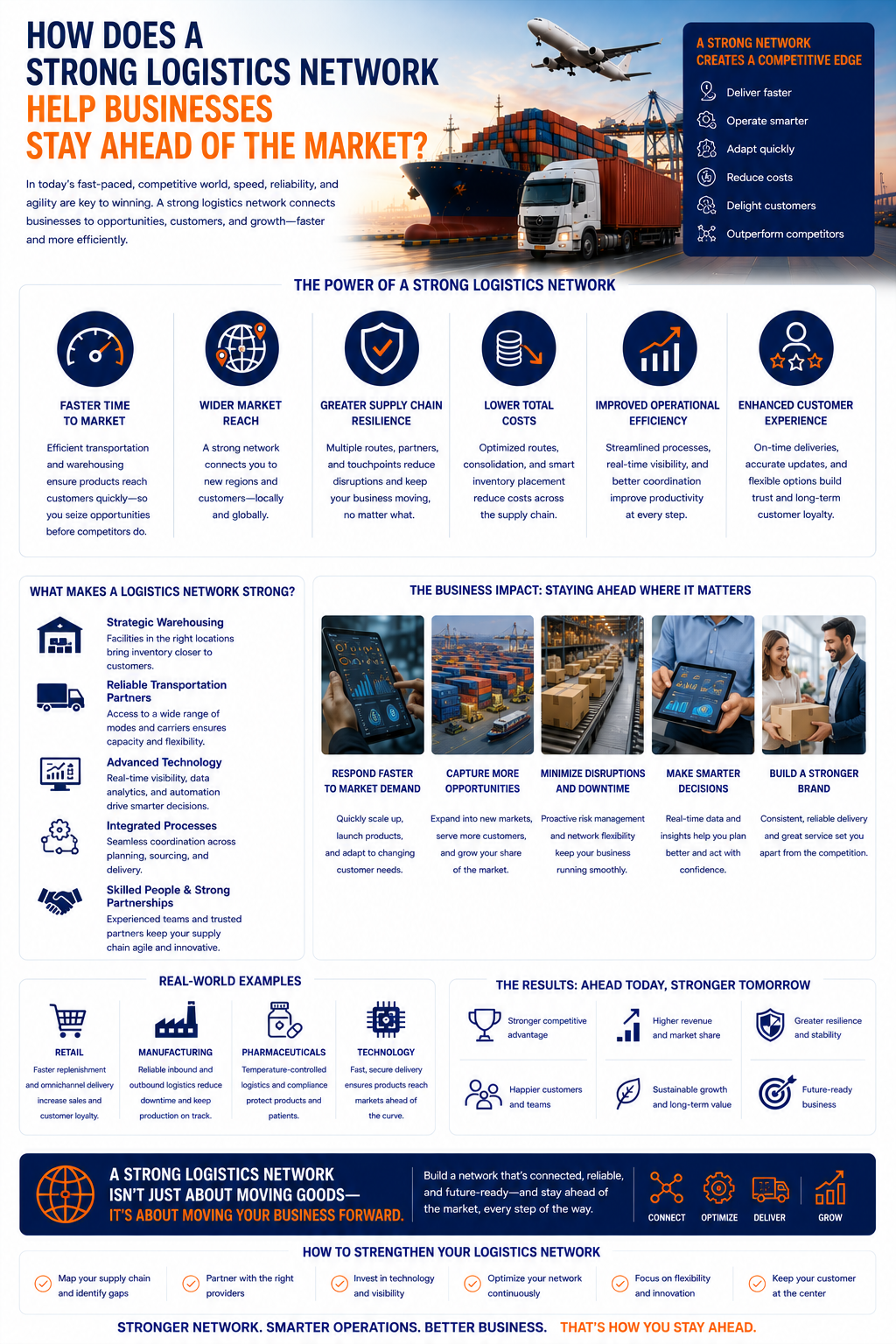
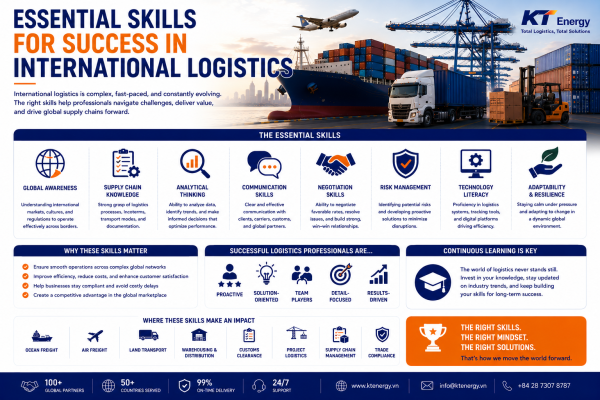
International logistics is one of the most dynamic industries in the global economy. Every day, professionals coordinate shipments across countries, time zones, transportation networks, and regulatory environments.
While technology continues to transform the industry, people remain at the center of logistics operations. Success often depends on a combination of technical knowledge, communication, and problem-solving abilities.
🌐 Communication Skills
International logistics involves constant coordination between:
• Customers
• Suppliers
• Shipping lines
• Airlines
• Trucking companies
• Customs authorities
• Overseas agents
Clear and effective communication helps prevent misunderstandings, reduce delays, and ensure smooth shipment execution.
📦 Planning & Coordination
Logistics is essentially the management of moving parts.
Professionals must be able to:
• Coordinate multiple stakeholders
• Manage shipment timelines
• Monitor operational milestones
• Align transportation and documentation processes
Strong coordination skills help keep the supply chain running efficiently.
⚡ Problem-Solving Ability
Unexpected situations are part of daily logistics operations.
Common challenges include:
• Vessel delays
• Port congestion
• Documentation issues
• Customs inspections
• Capacity shortages
The ability to remain calm, analyze situations quickly, and find practical solutions is one of the most valuable skills in logistics.
📄 Knowledge of Documentation & Regulations
International shipments require accurate documentation and compliance with various regulations.
Key areas of knowledge include:
• Bills of Lading (B/L)
• Commercial Invoices
• Packing Lists
• Certificates of Origin (C/O)
• Customs procedures
• Incoterms®
Attention to detail is critical, as even small errors can cause costly delays.
📊 Analytical Thinking
Modern logistics generates large amounts of operational data.
Professionals increasingly need to:
✔ Analyze shipping performance
✔ Monitor logistics costs
✔ Evaluate transit times
✔ Identify process improvements
Data-driven decision-making helps improve efficiency and supply chain performance.
💻 Technology & Digital Skills
As logistics becomes more digitalized, familiarity with technology is becoming essential.
Useful skills include:
• Transportation Management Systems (TMS)
• Warehouse Management Systems (WMS)
• Shipment tracking platforms
• Data analysis tools
• Digital documentation systems
Technology helps logistics professionals work faster and more effectively.
🤝 Customer Service Mindset
Logistics is ultimately a service industry.
Successful professionals understand the importance of:
• Responsiveness
• Reliability
• Transparency
• Relationship management
Strong customer service skills help build trust and long-term partnerships.
🚀 Adaptability in a Fast-Changing Industry
Global trade conditions can change rapidly.
Professionals who thrive in logistics are often those who can:
• Learn quickly
• Adapt to new situations
• Embrace change
• Remain flexible under pressure
Adaptability has become one of the most important qualities in modern supply chain management.
🌍 More Than Moving Cargo
International logistics is about connecting businesses, markets, and people around the world. The most successful professionals combine operational expertise with strong communication, analytical thinking, and problem-solving capabilities.
Because in logistics, shipments may move through ports, vessels, and warehouses—but success is driven by the people who manage the journey.
#KTEnergyGlobal #Logistics #SupplyChain #InternationalLogistics #GlobalTrade #FreightForwarding #MaritimeLogistics #SupplyChainManagement #LogisticsCareer #BusinessSkills