Global ocean freight rates have remained highly volatile due to shifting market demand, port congestion, fuel price fluctuations, and changing international trade conditions. For import-export businesses, logistics costs are becoming a major factor that directly impacts operational efficiency and profit margins.
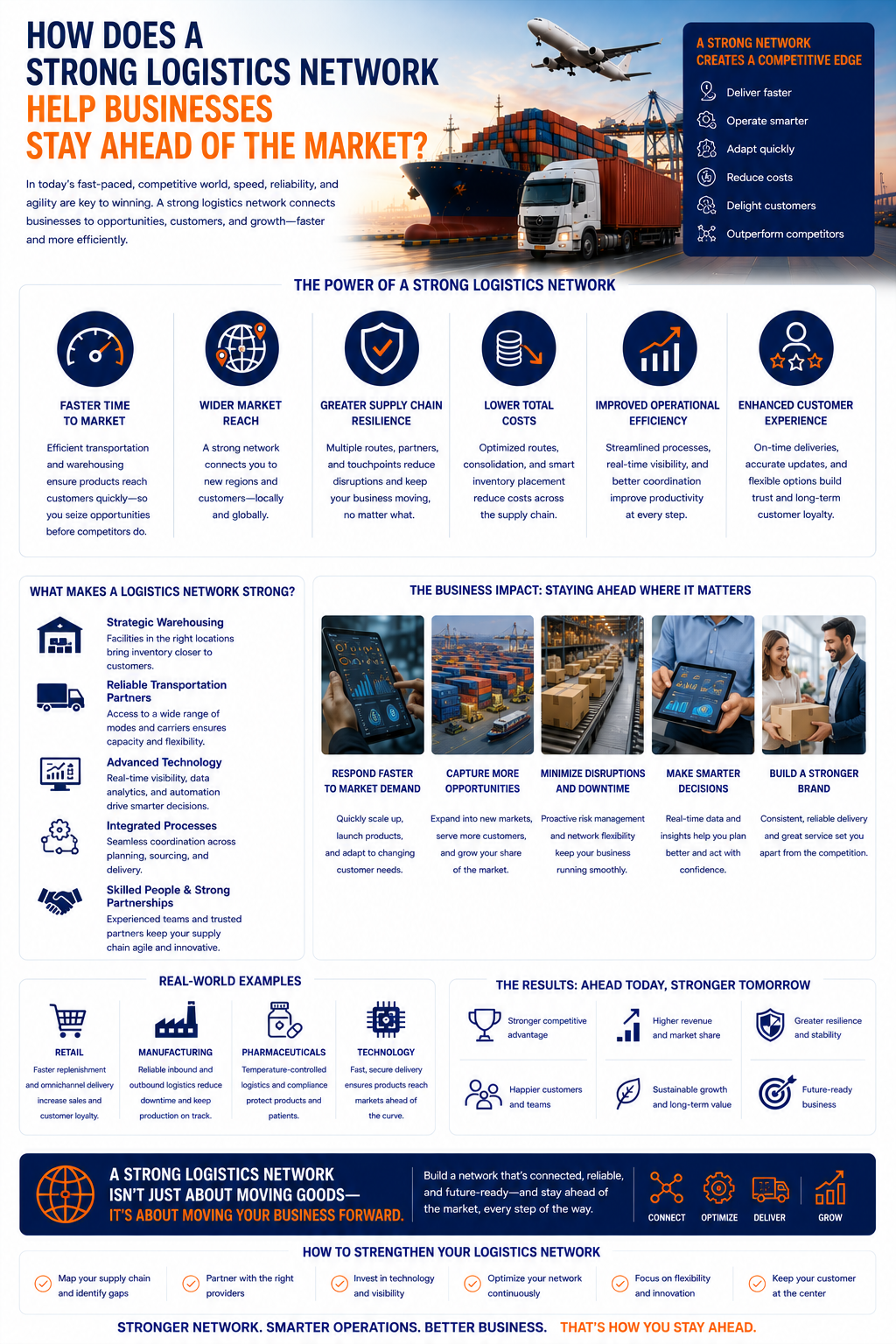
In this environment, companies are increasingly focusing on building more flexible and cost-efficient logistics strategies to reduce risks and maintain stable supply chain operations.
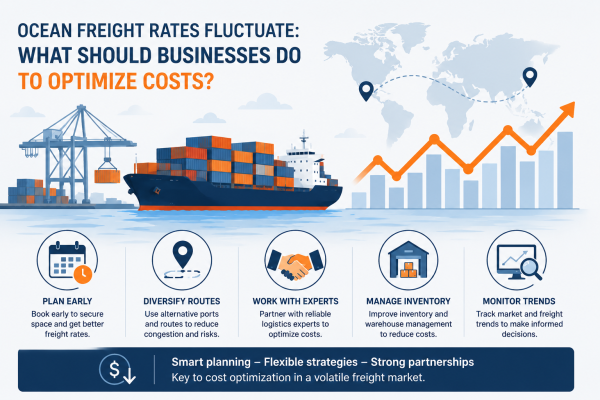
Several key solutions businesses are adopting include:
• Planning shipments earlier
Early booking helps secure vessel space, stabilize freight costs, and reduce last-minute surcharges during peak seasons.
• Diversifying transportation routes
Using alternative ports and logistics routes can help minimize congestion risks and improve delivery flexibility.
• Working with reliable logistics partners
Experienced logistics partners can support better freight planning, cargo coordination, and cost optimization across the supply chain.
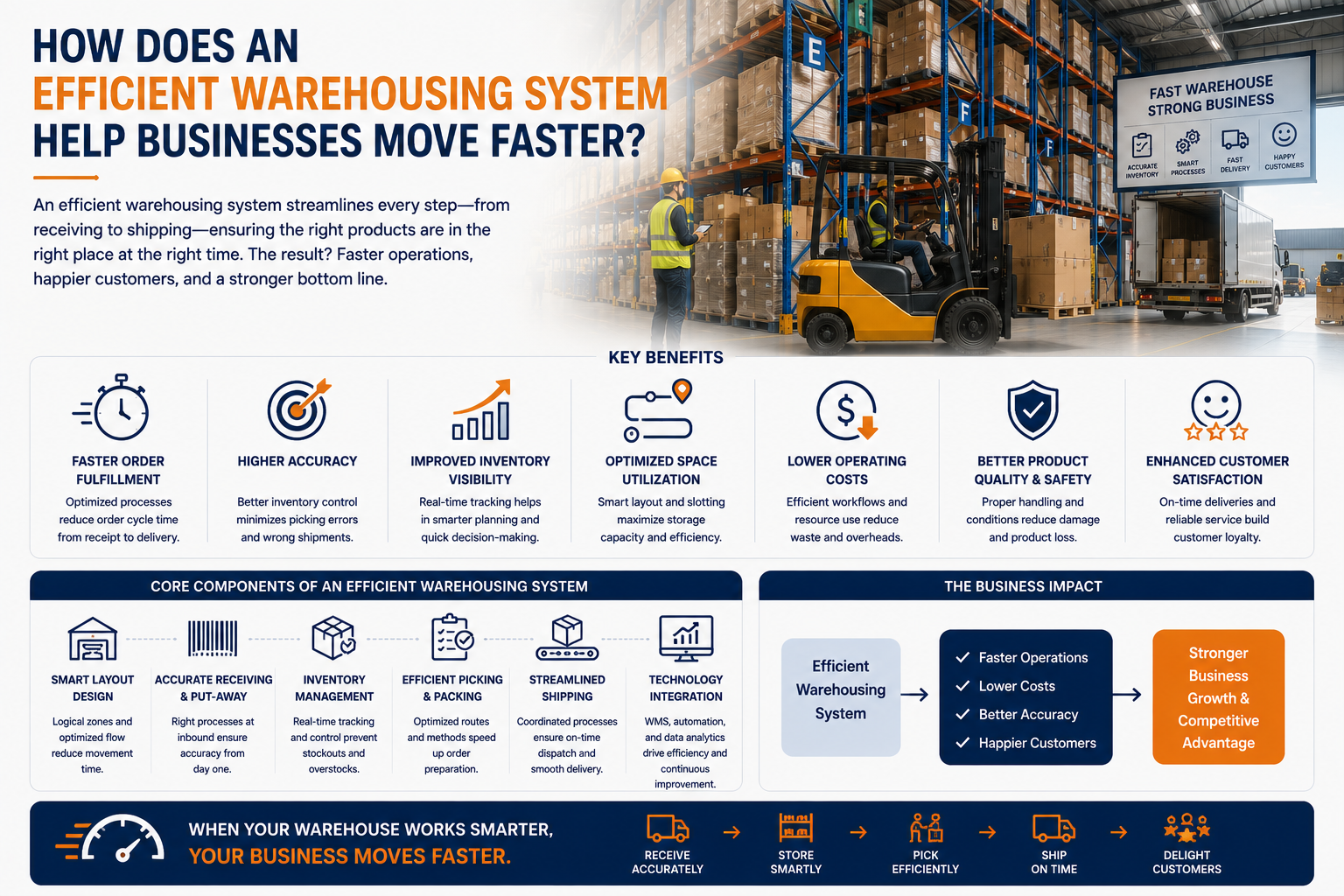
• Improving inventory and warehouse management
More efficient inventory planning helps reduce unnecessary storage costs and supply disruptions.
• Monitoring market and freight trends closely
Real-time freight market updates allow businesses to react faster to pricing changes and operational challenges.
As global trade conditions continue to evolve, businesses that can adapt quickly and maintain flexible logistics networks will be in a stronger position to control costs and improve long-term competitiveness. 🌍
#KTEnergyGlobal #FreightRates #Logistics #SupplyChain #GlobalTrade #BulkCargo #ShippingIndustry #MaritimeLogistics #IndustrialMaterials