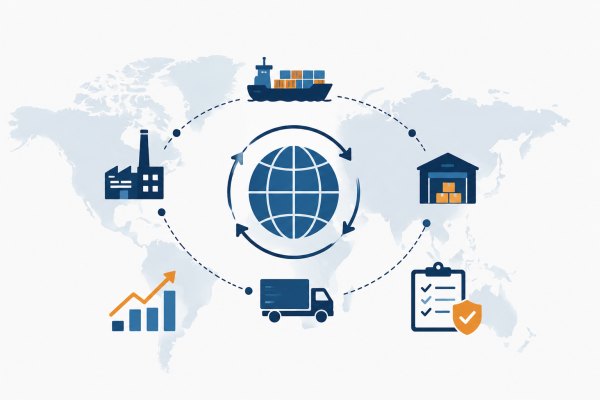
In recent years, global supply chains have undergone significant shifts due to economic fluctuations, geopolitical tensions, rising logistics costs, and changing trade patterns. What was once considered a stable international supply network is now becoming more regionalized, flexible, and risk-focused.
Many manufacturers and trading companies are actively restructuring their supply chains to reduce dependency on a single market or transportation route. As a result, Southeast Asia is increasingly emerging as a strategic hub for industrial production, commodity trading, and logistics operations.
Several key trends are shaping the new global supply chain landscape:
• Diversification of sourcing and suppliers
Companies are expanding supplier networks across multiple countries to reduce operational risks and improve stability.
• Increased focus on regional logistics hubs
Ports and logistics centers in Asia are playing a more critical role in supporting international trade flows.
• Higher demand for supply chain transparency
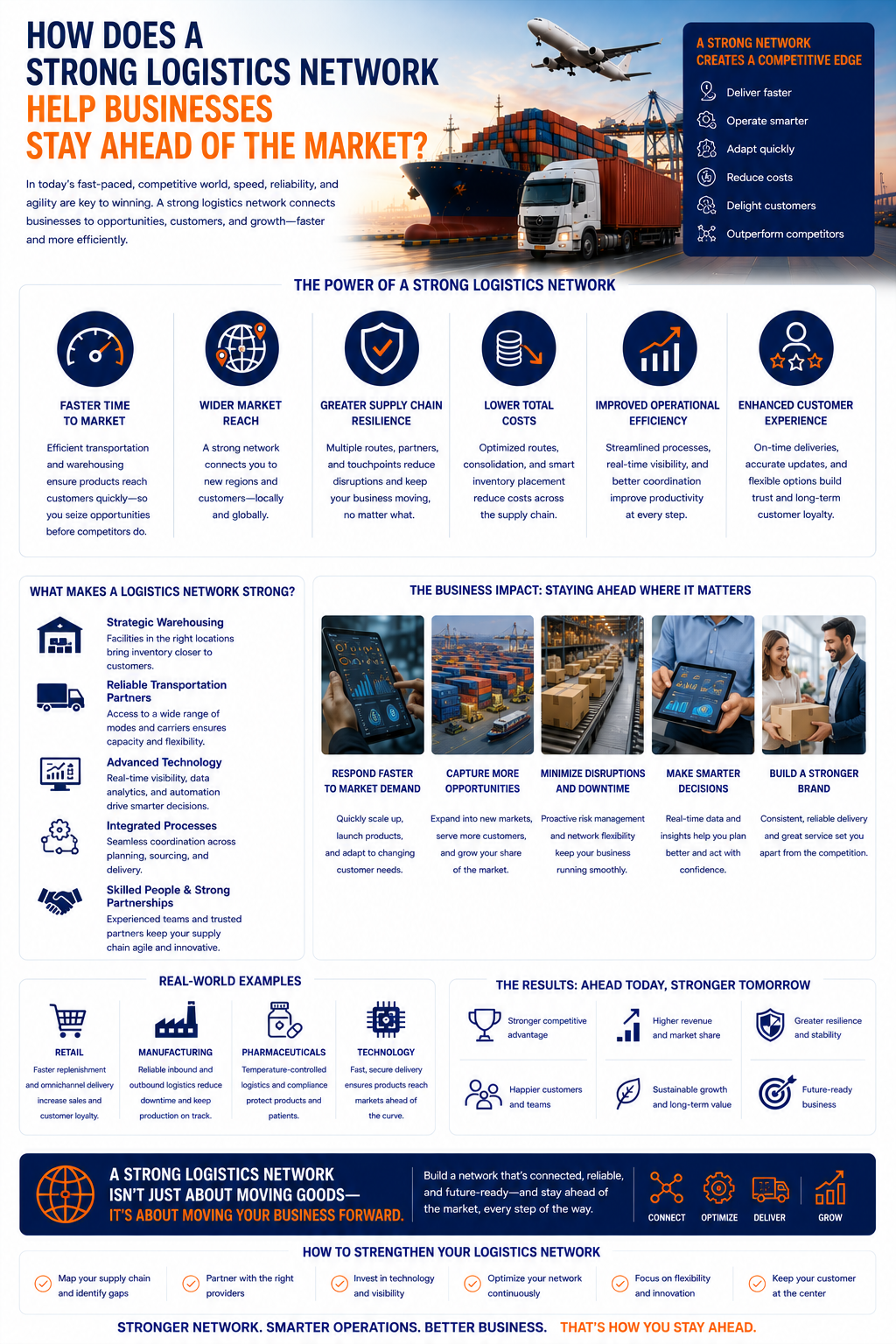
Real-time cargo tracking, digital logistics systems, and operational visibility are becoming essential standards.
• Rising importance of inventory and warehousing strategies
Businesses are maintaining more flexible inventory models to respond faster to market fluctuations and transportation disruptions.
• Shift toward resilient and adaptable logistics networks
Supply chains are no longer built solely for cost efficiency — resilience and long-term reliability now matter just as much.
For industries related to energy, industrial materials, and bulk commodities, the ability to adapt quickly to changing logistics conditions will continue to be a major competitive advantage.
As the market evolves, companies with strong regional connections, stable logistics partnerships, and flexible supply chain strategies will be better positioned for sustainable growth.
#KTEnergyGlobal #SupplyChain #GlobalTrade #Logistics #IndustrialMaterials #BulkCargo #EnergyIndustry #GlobalMarket #MaritimeLogistics