In international trade, timing can be just as important as product quality and pricing. This is why export businesses closely monitor lead time—the total time required for goods to move from production and order confirmation to final delivery.
A well-managed lead time helps companies maintain supply chain efficiency, meet customer expectations, and remain competitive in global markets.
📦 What Is Lead Time?
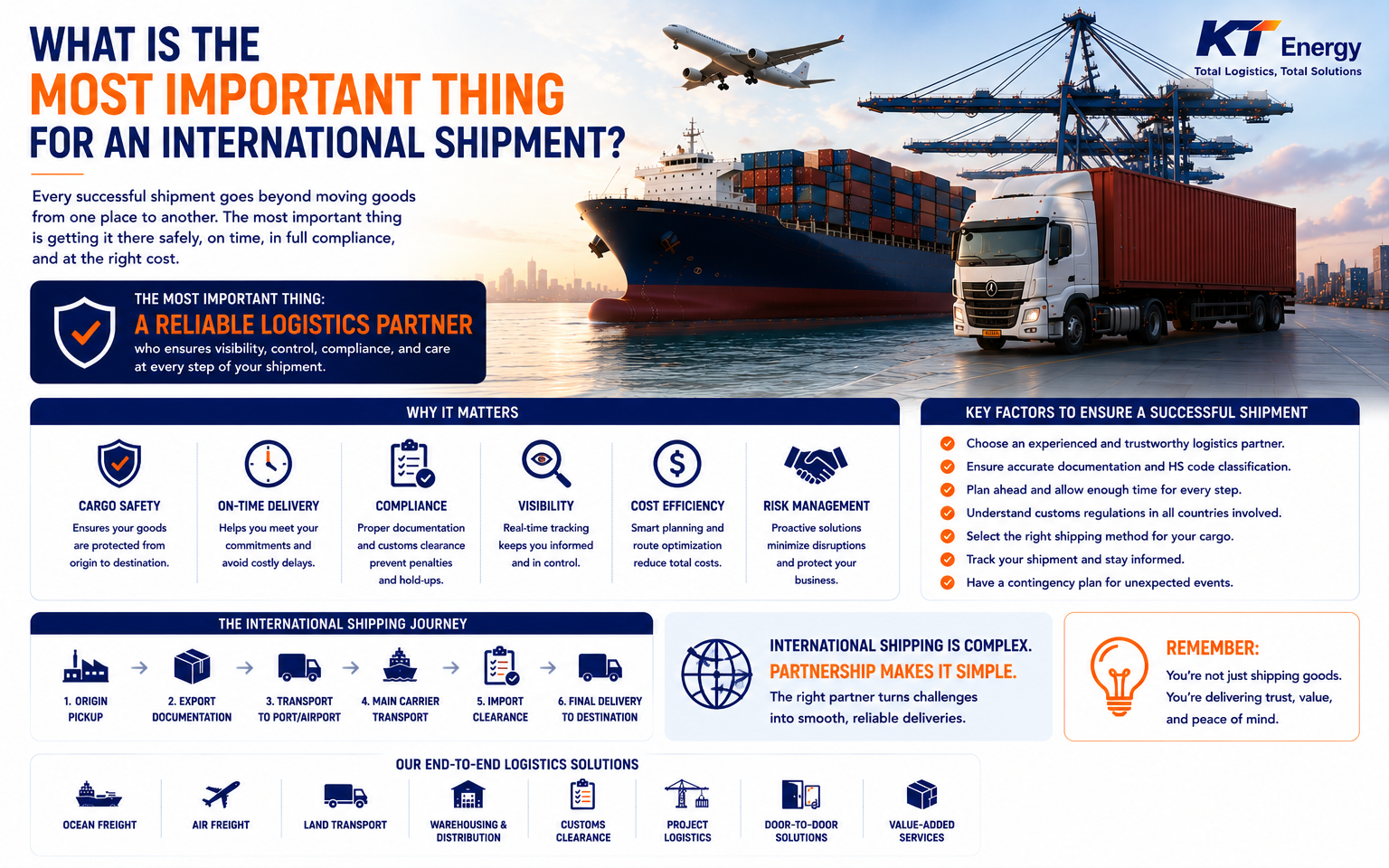
In export logistics, lead time typically includes:
• Production and order preparation
• Packaging and cargo handling
• Inland transportation
• Customs clearance
• International transportation
• Final delivery
Any delay in one stage can affect the entire shipment schedule.
🚢 Lead Time Directly Impacts Customer Satisfaction
International buyers often plan inventory, production, and sales activities based on expected delivery dates.
When lead times are consistent and predictable, businesses can:
✔ Meet customer commitments
✔ Improve service reliability
✔ Build long-term trust
✔ Strengthen business relationships
For many buyers, reliability is just as important as price.
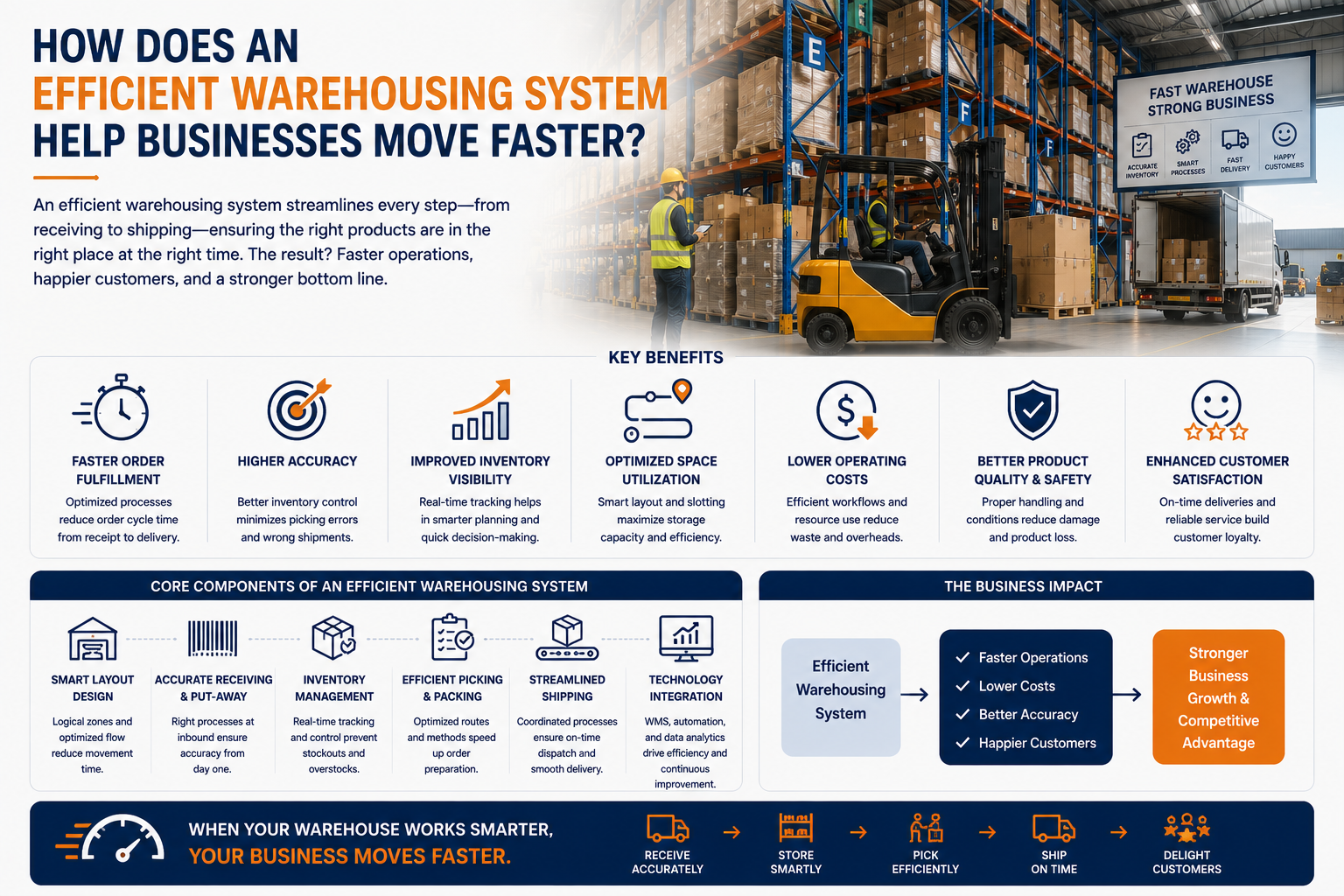
📊 Better Inventory Management
Accurate lead times help businesses optimize inventory levels and reduce operational inefficiencies.
Benefits include:
• Lower storage costs
• Reduced stock shortages
• Improved demand forecasting
• Better cash flow management
The more predictable the lead time, the easier it is to plan inventory effectively.
💰 Reducing Unexpected Costs
Longer or inconsistent lead times can create additional expenses such as:
• Emergency shipping costs
• Production delays
• Inventory shortages
• Missed sales opportunities
• Customer penalty charges
Managing lead time effectively helps reduce these risks and improve profitability.
🌐 Supply Chain Visibility & Planning
Modern supply chains require businesses to coordinate multiple stakeholders, including:
• Suppliers
• Manufacturers
• Freight forwarders
• Shipping lines
• Customs authorities
• Customers
Understanding lead time helps improve coordination and allows businesses to respond more quickly to disruptions.
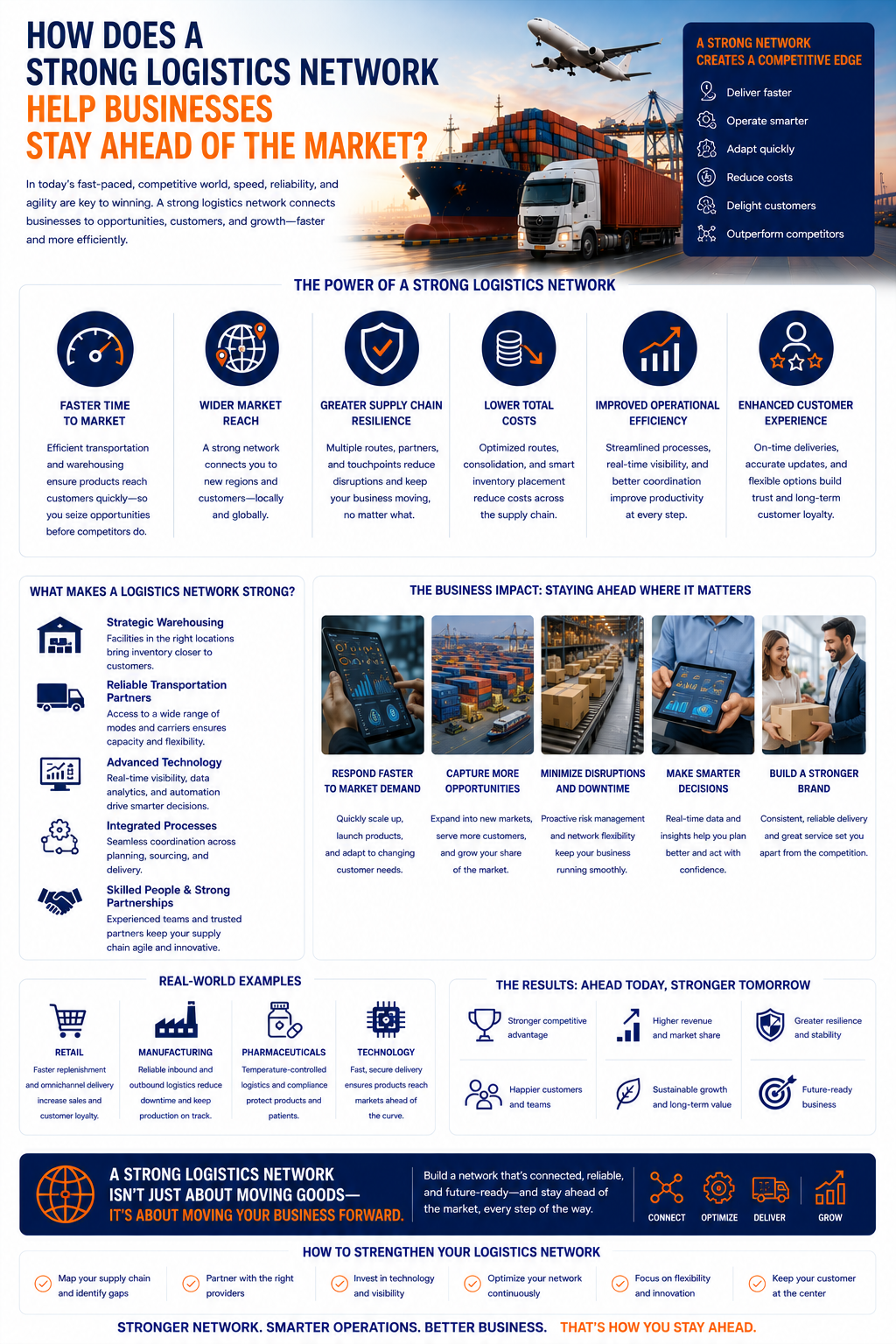
🚀 Lead Time as a Competitive Advantage
In today’s fast-moving global marketplace, companies that can deliver products faster and more consistently often gain a significant advantage over competitors.
A shorter and more reliable lead time can help businesses:
• Win new customers
• Improve customer retention
• Increase operational efficiency
• Strengthen supply chain performance
Because in international trade, speed alone is not enough—predictability is what creates real value.
📈 More Than Just a Timeline
Lead time is not simply a logistics metric. It reflects how efficiently an entire supply chain operates—from production planning and transportation to delivery execution.
For export businesses, managing lead time effectively means improving customer satisfaction, controlling costs, and building a stronger competitive position in global markets.
#KTEnergyGlobal #LeadTime #Logistics #SupplyChain #ExportBusiness #GlobalTrade #FreightForwarding #MaritimeLogistics #InternationalShipping #SupplyChainManagement